Non-cycling
The refrigeration circuit runs continuously; surplus capacity is dumped by hot-gas bypass. Simplest and cheapest. Best on steady 80%+ load where the compressor rarely idles.

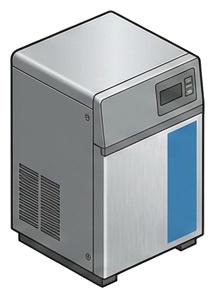
A refrigerated dryer is the default primary dryer on an indoor compressed air system — sized to full compressor flow and installed in the treatment layer, downstream of the compressor, aftercooler, and wet receiver (the tank that catches bulk liquid water before it reaches the dryer). It conditions the entire air stream before that stream enters distribution. Its job is to drop moisture content to a level that protects everything downstream — piping, tools, cylinders, valves — wherever those pipe runs stay above freezing. It is the cheapest treatment that solves the moisture problem for the 80% of plants that fit those conditions.
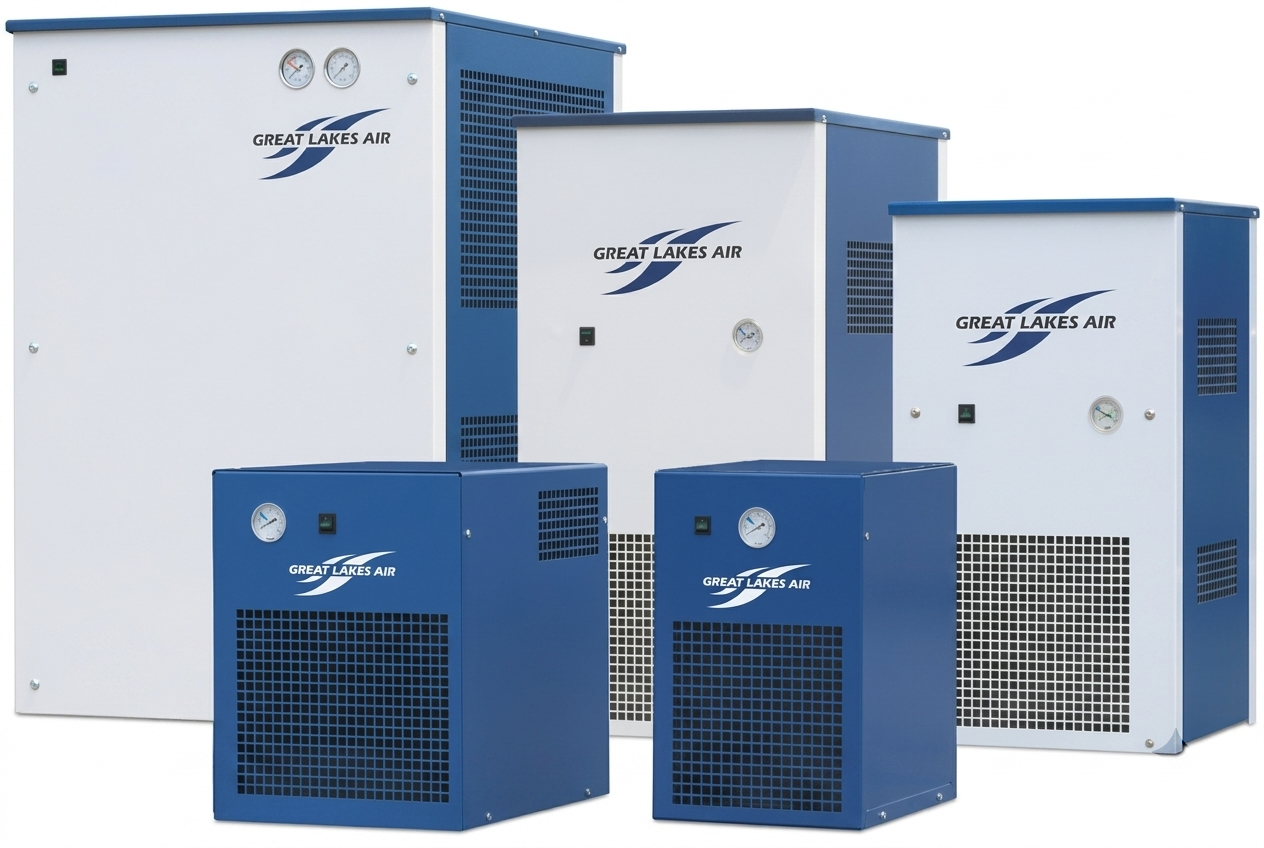
Tips and pointers on when a refrigerated dryer is the right call — and when to spec something else. Scroll the strip →
A 100 HP rotary screw dumps 25-40 gallons of liquid water a day into the system as vapor condenses downstream. Refrigerated chills the stream to 35-40°F so the vapor drops out before distribution — line drains only catch what already condensed in the header.
+35 to +50°F PDP, ISO 8573-1 Class 4-6 — exactly what indoor pipe at room temperature needs. A $3-8K dryer prevents $50-200K in tool, piping, and finish damage. Cheapest insurance policy a plant can buy on its air system.
Cycling / thermal-mass units shed capacity when load drops — 30-50% electric savings on lines that run under ~60% load most of the time. Pays back the capital premium in 18-36 months at typical industrial rates.
Dryer SCFM ≥ compressor full-load × 1.1. Then attach an electronic-timer condensate drain and an oil-water separator on every quote — manual and float drains fail in service; oily condensate to sanitary sewer is illegal (fines start at $10K).
The refrigeration circuit cannot chill below freezing without icing the exchanger — and the +40°F PDP floor means vapor still drops out in any pipe that goes cold. → Re-spec to desiccant for outdoor pipe, unheated buildings, walk-in freezers, and loading docks.
Refrigerated covers Class 4-6, reaches Class 3 with quality coalescing. → Re-spec to desiccant for instrument air, paint Class 1-2, lab, pharma, semiconductor, food direct-contact — applications that genuinely need -40°F PDP or lower.
Rated at 100°F inlet / 100°F ambient. Above 100°F, refrigeration capacity drops fast and PDP climbs out of spec under load. → Upsize one frame, relocate to a cooler room, or fix upstream cooling (aftercooler, ventilation) — don''t install at nameplate in a 110°F room.
Two-and-a-half ways to shed capacity when the load drops. All hit the same ~+38°F dew point — the difference is the energy bill at part-load and how tightly the dew point holds.
The refrigeration circuit runs continuously; surplus capacity is dumped by hot-gas bypass. Simplest and cheapest. Best on steady 80%+ load where the compressor rarely idles.
Stores cold in a thermal mass and cycles the refrigeration circuit off once the mass is charged — saves 30-50% energy on part-load or single-shift lines. 18-36 month payback at typical industrial rates.
Modulates compressor output continuously to match load instead of cycling — tightest dew-point control and the best part-load efficiency on swingy demand. The premium option.
From the machine spec sheet to the part number. Answer what you know, leave the rest blank, and send.
Pick the priority; the quote desk handles the cross-reference.
A refrigerated dryer is the cheapest insurance policy a plant can buy on its compressed air system.
Each industry below uses this product across the listed areas. Open an industry to see how it fits the rest of its system.
Every entry is a real product on this site — linked, not just named. Quote them on the same line item.
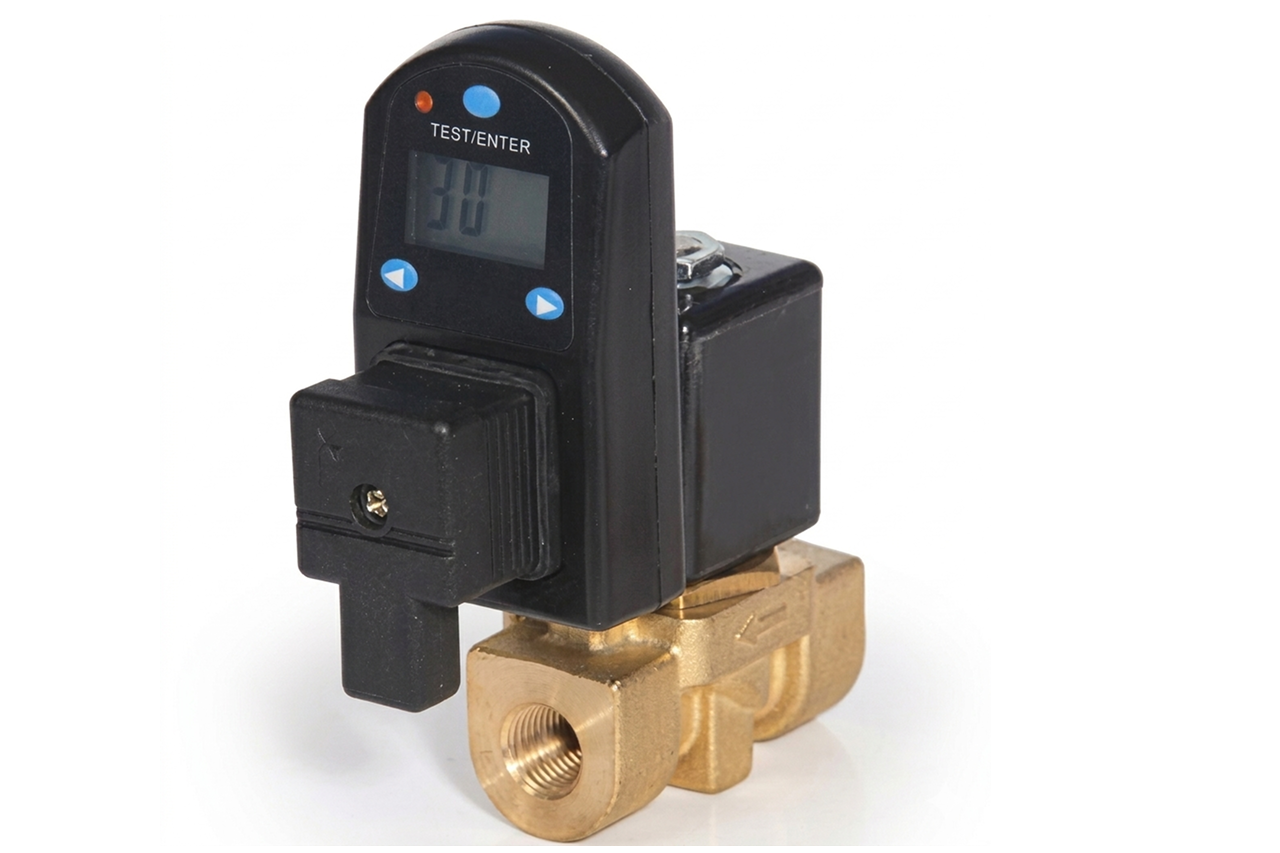
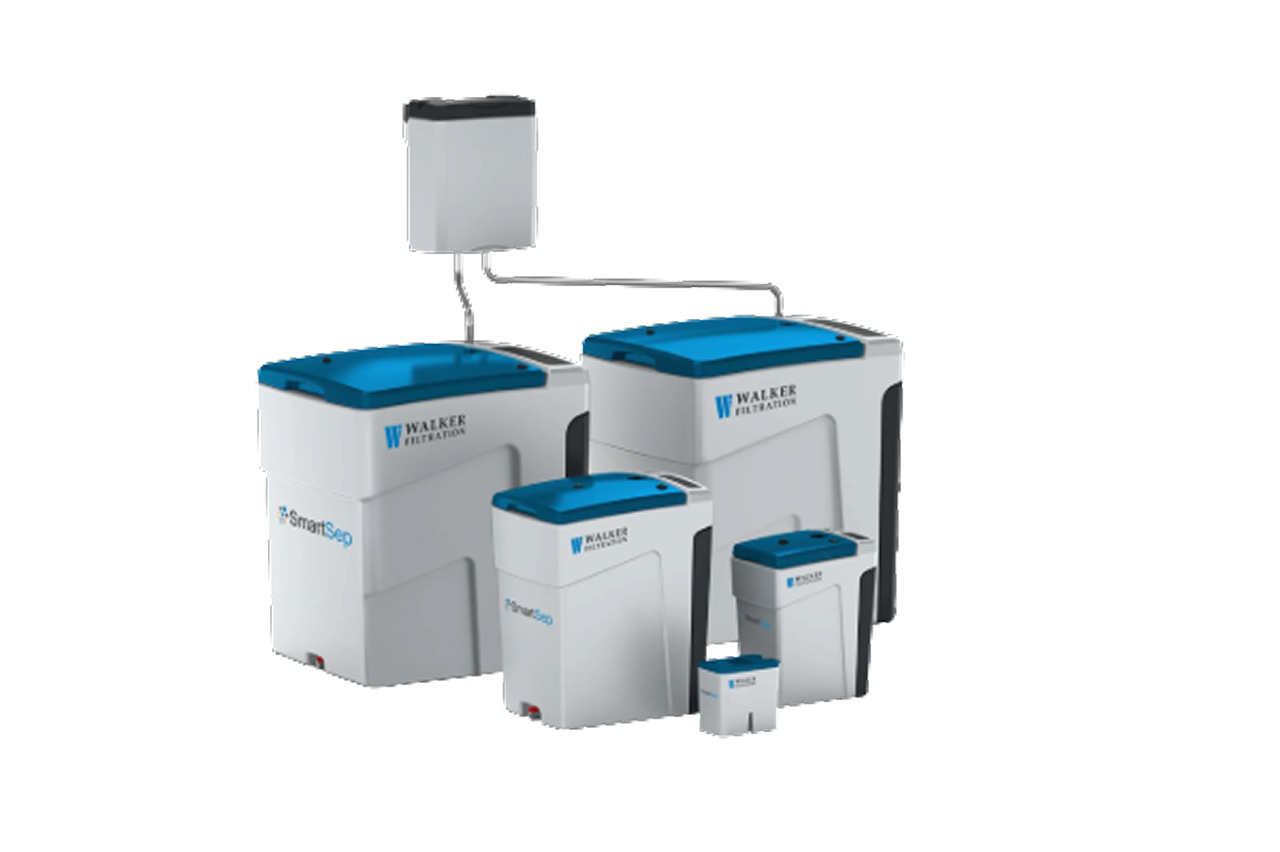
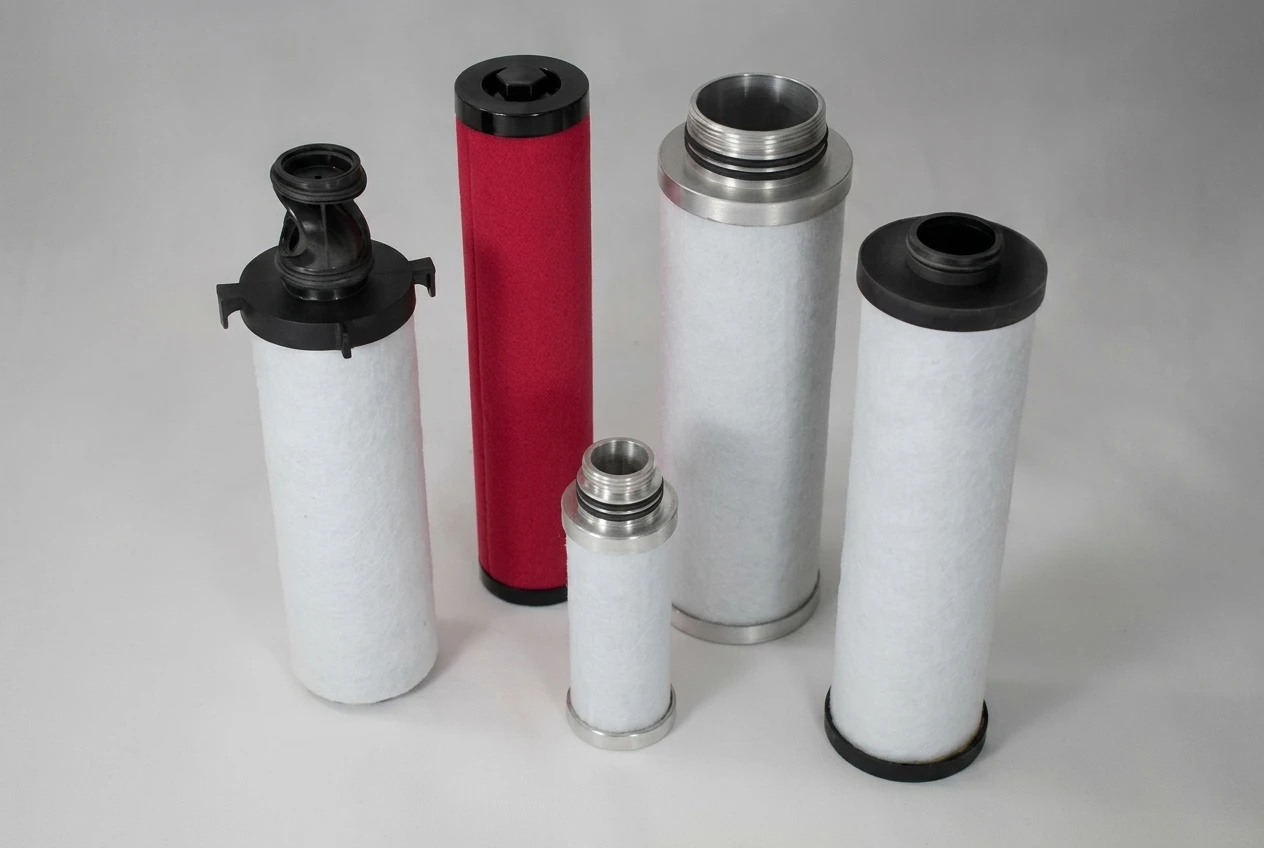
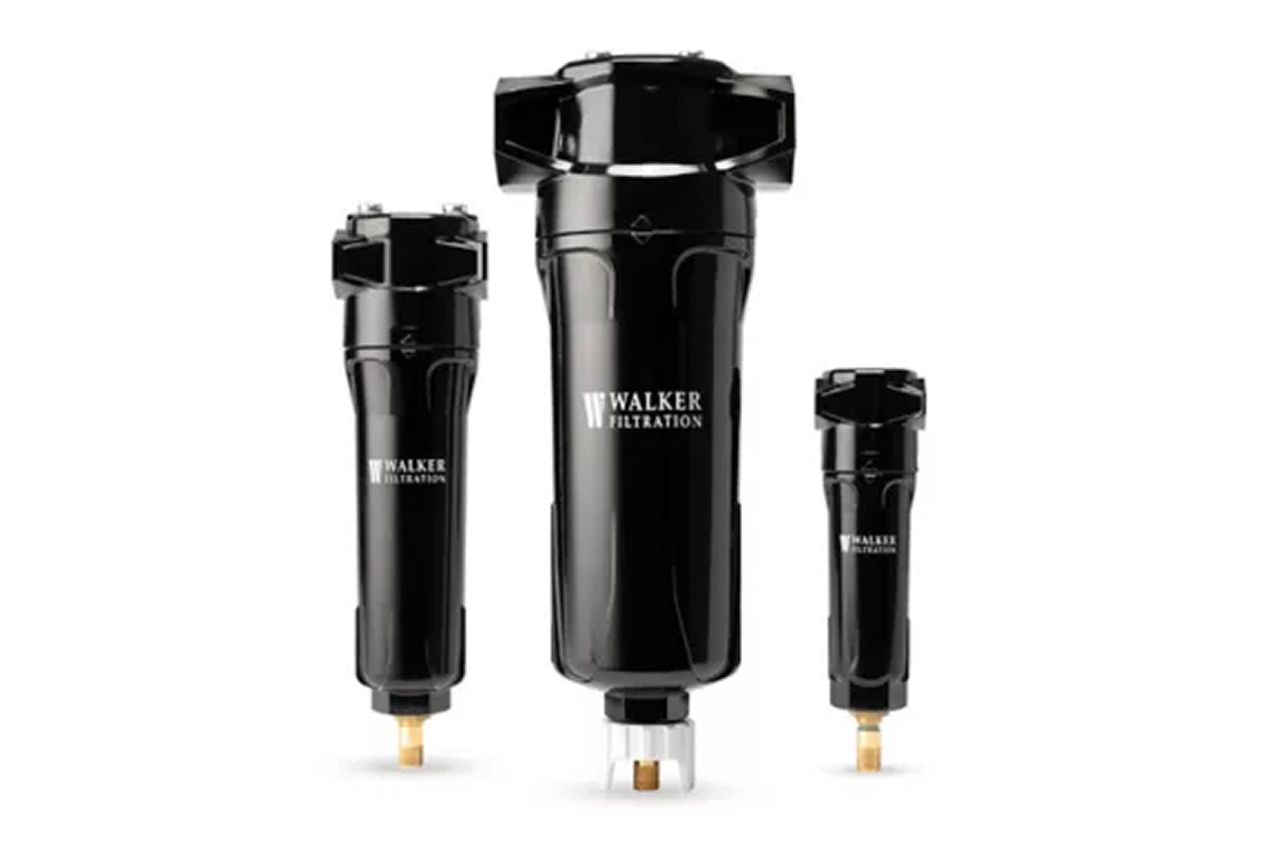
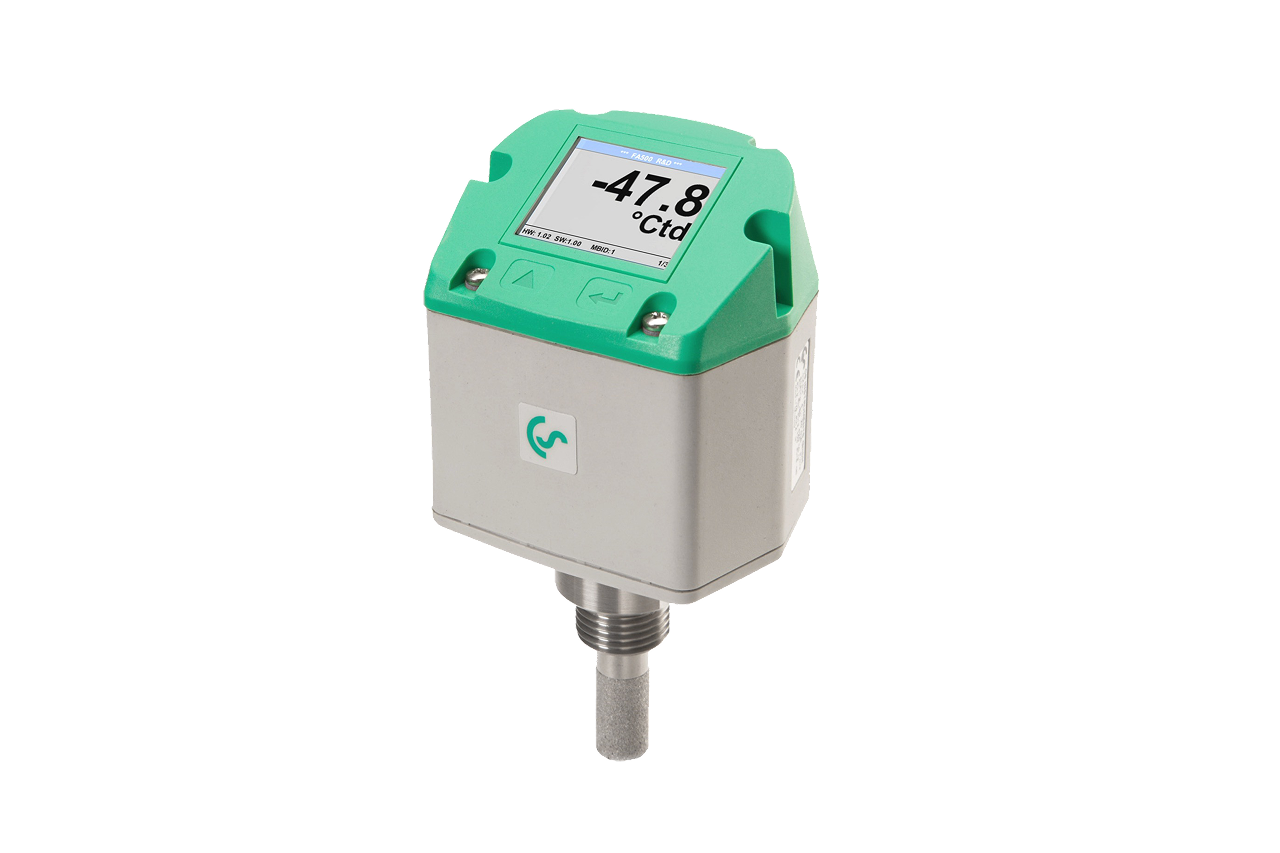
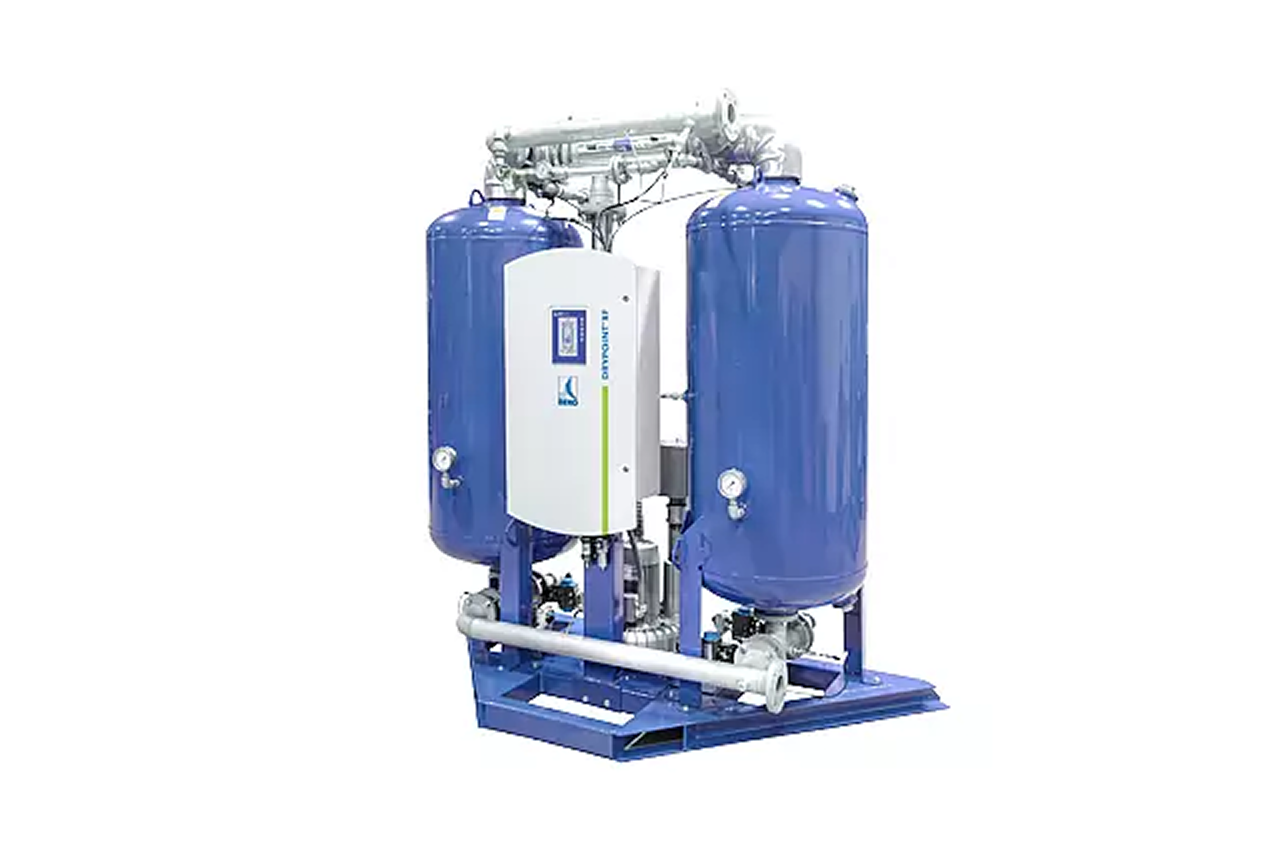
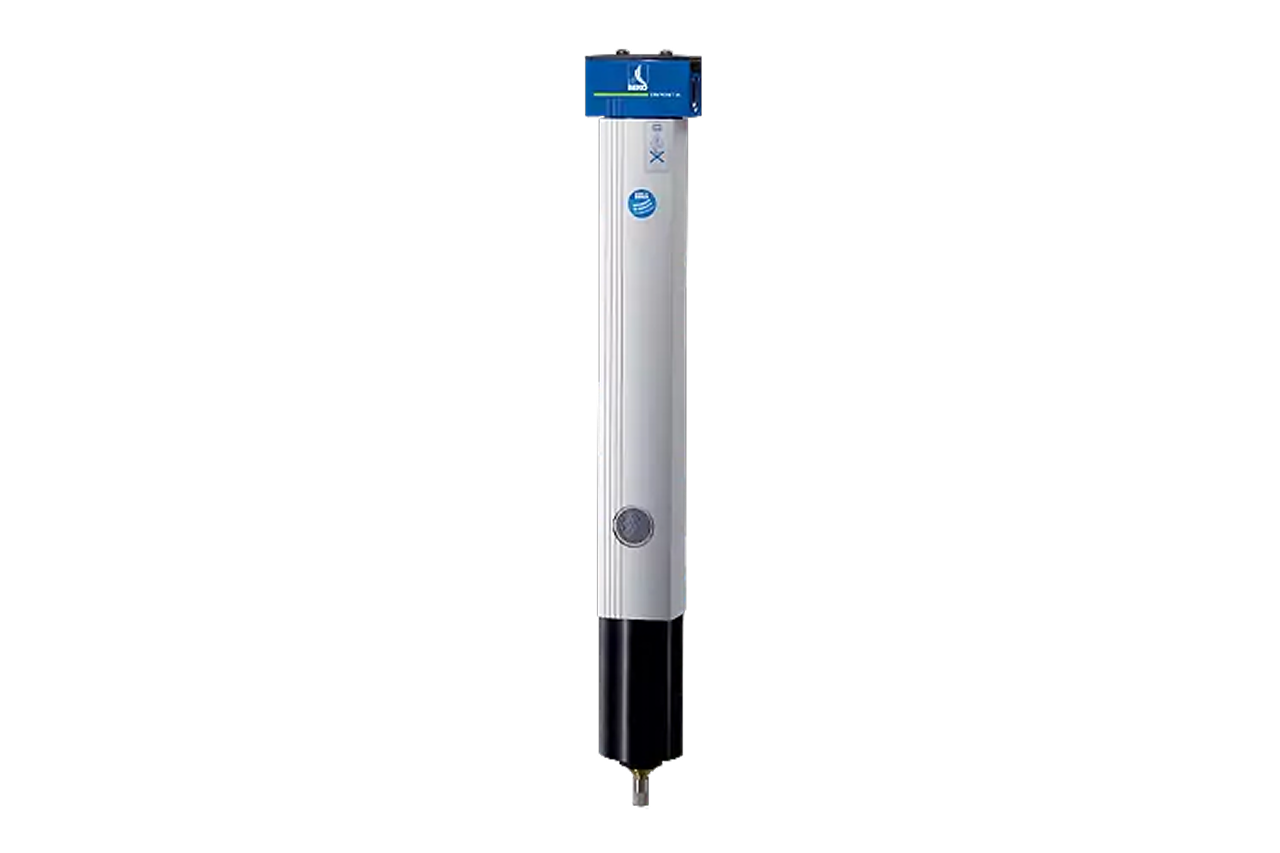
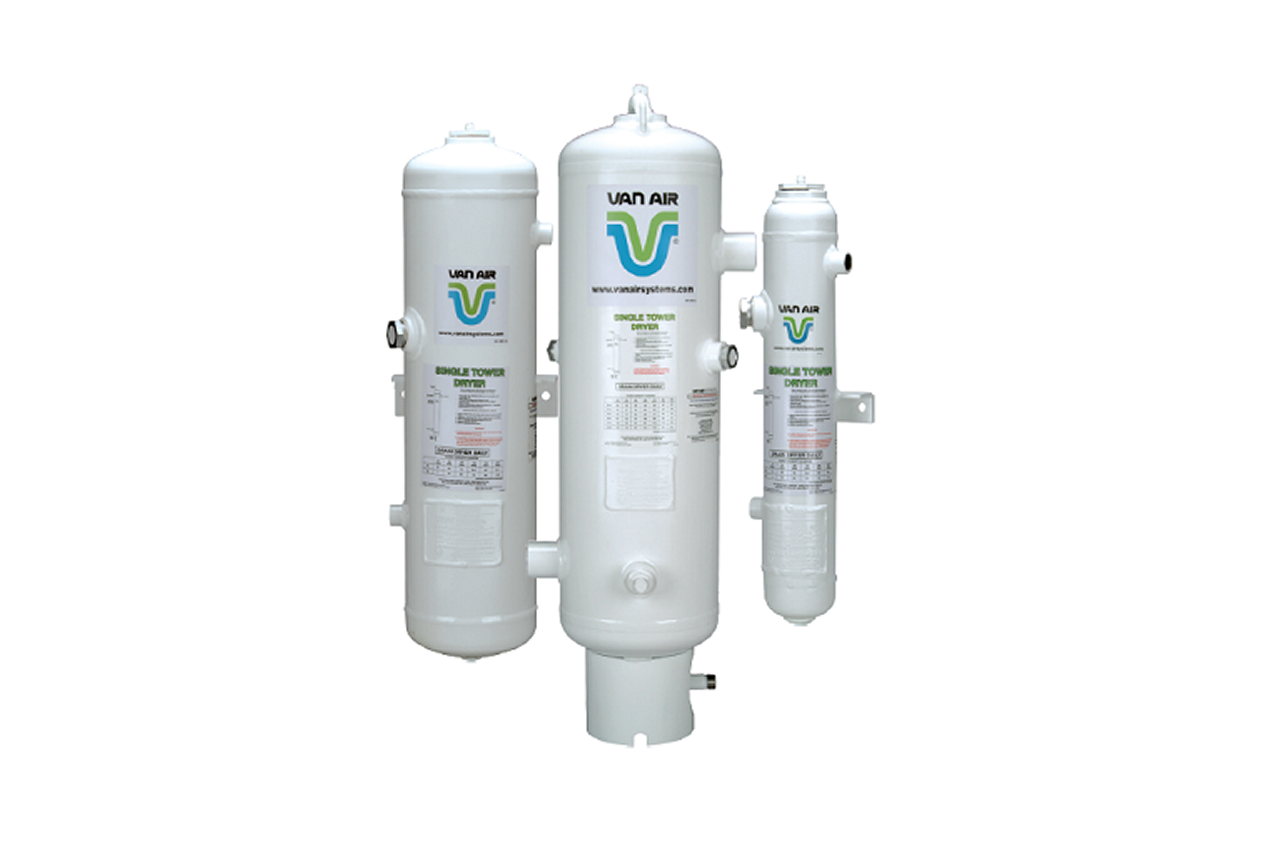
Stock filter elements and drain-valve service kits as bulk reorder for fleet customers — multi-dryer plants service on a calendar and reward the distributor who ships the consumables together.
Send us the application — a specialist routes you to the correct tier with a configured part. Lead-times and pricing returned within one business day.
—. We reply within one business day with pricing, lead-time, and configured parts.