DISTRIBUTOR-FIRST SUPPLY PARTNER · SINCE 1999 Live · Compressed Air System

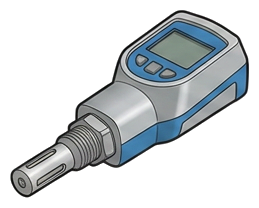
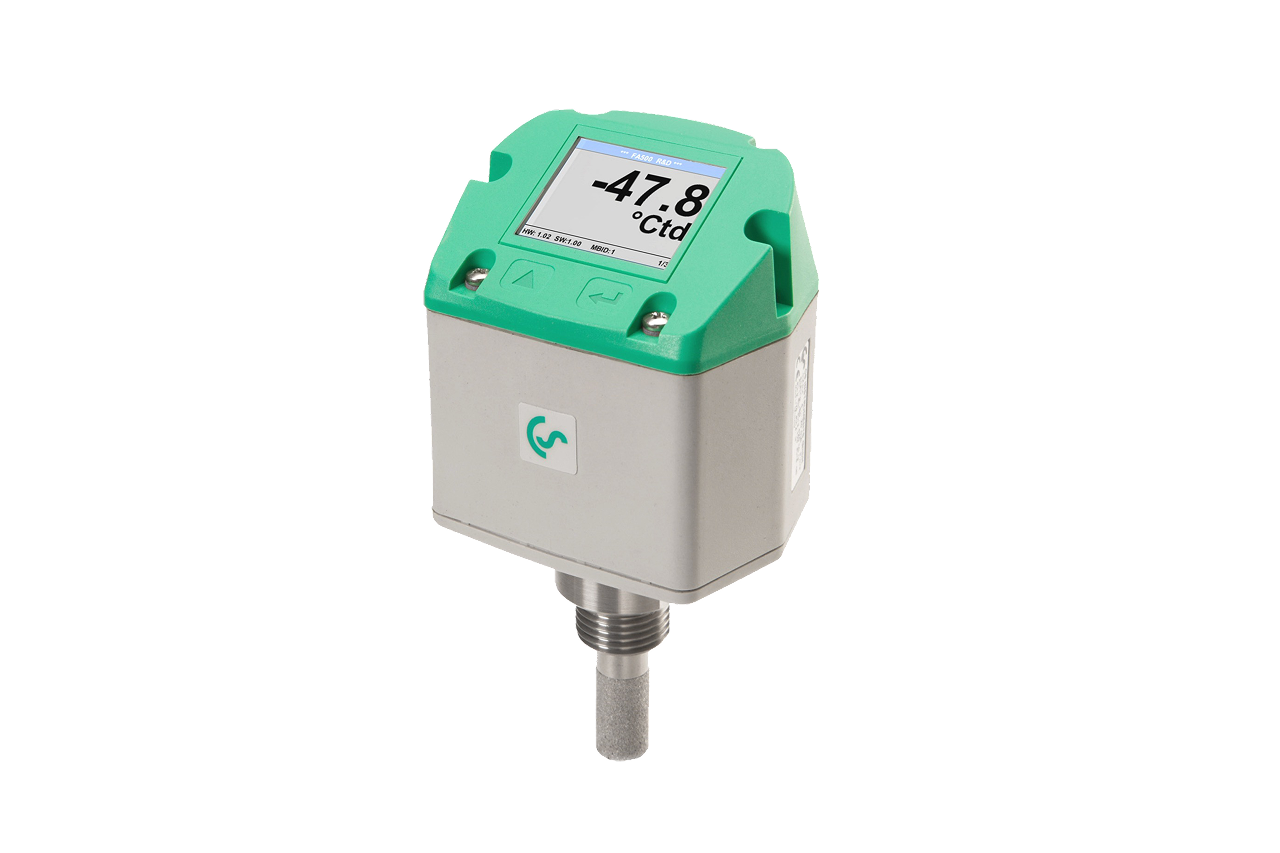
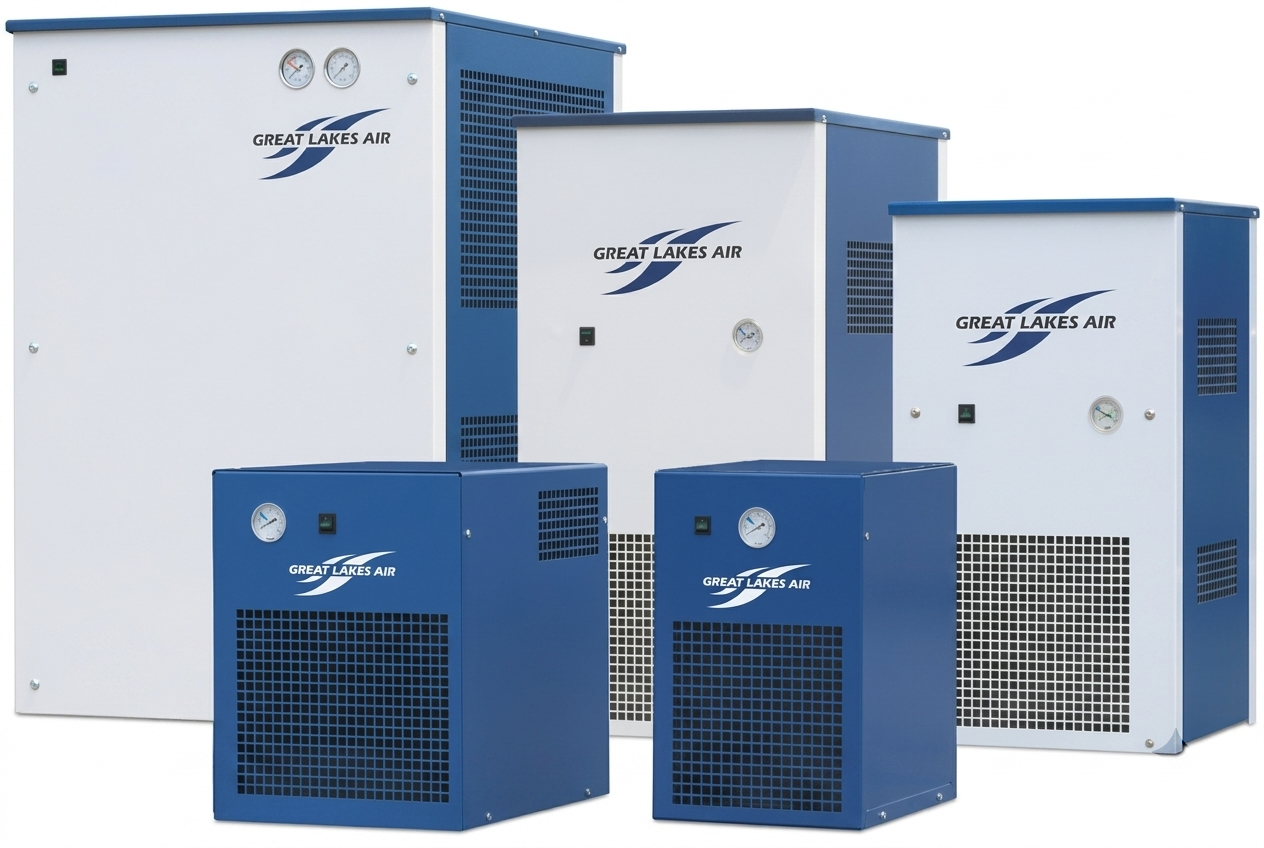
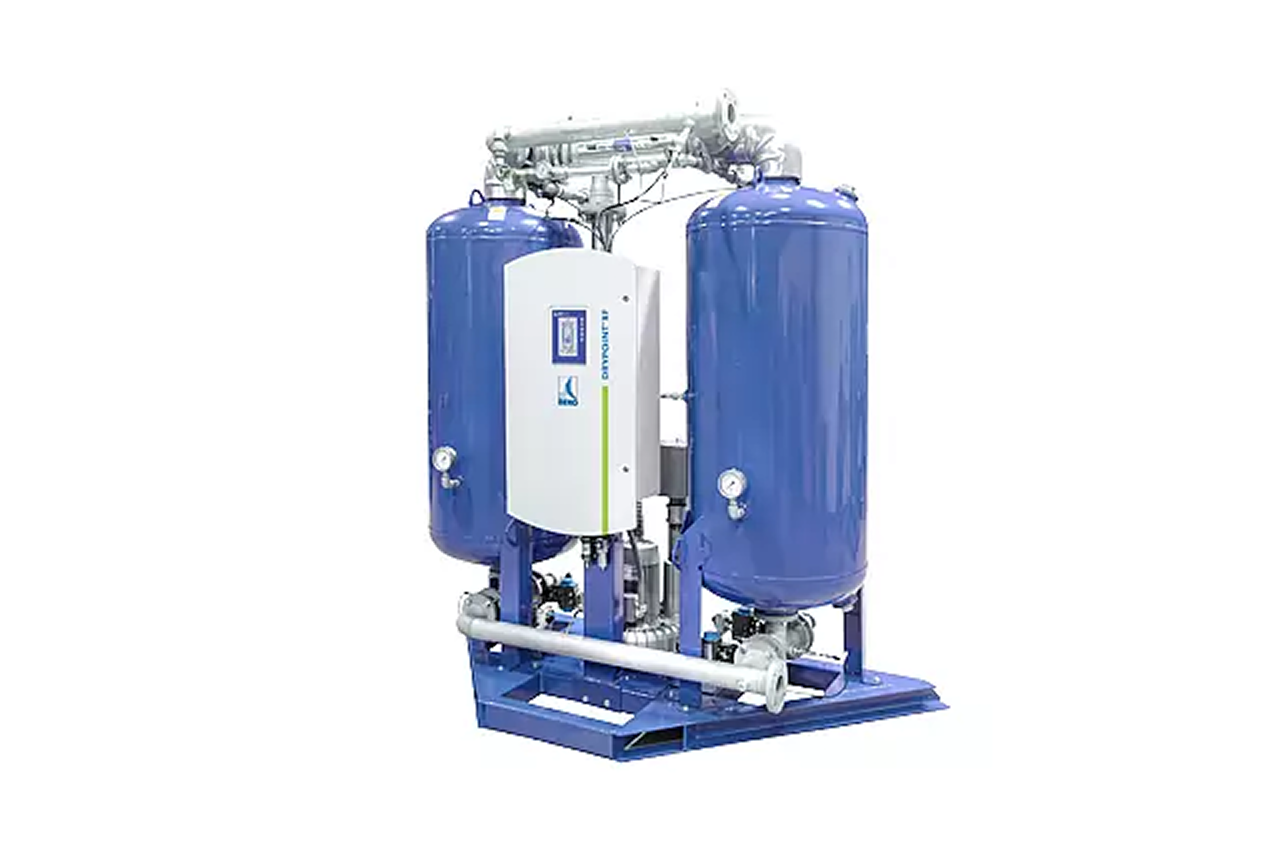
A dew point monitor measures how dry the air leaving a dryer actually is, the pressure dew point (PDP), the temperature at which the moisture still in the air would turn back into liquid water. It's the proof the dryer is doing its job. It installs downstream of the dryer and either reads continuously to a control system (a fixed transmitter wired to an alarm) or travels as a portable handheld for commissioning, audits, and chasing down wet-air problems. The monitor has to cover the range your dryer is meant to hit: a refrigerated dryer holds +35 to +50°F PDP, while a desiccant dryer pushes to -40°F PDP and below.
Tips and pointers on when a dew point monitor is the right call — and when to spec something else. Scroll the strip →
Filters announce themselves through differential pressure; dryers fail silently. The monitor is the only early-warning instrument between a failing dryer and liquid water at the point of use hours later.
A $1,500 monitor verifies a $15,000+ dryer for its full service life. ±1°C accuracy near ambient PDP — trust the engineering, verify the performance with measurement.
Modern polymer-capacitive sensors are condensation-insensitive — they recover accuracy after bulk liquid water hits the element. The sensor earns its keep precisely during the upset it's installed to catch.
Refrigerated dryer needs +35 to +50°F PDP range. Desiccant dryer needs accurate reading at -40°F PDP and below. Service-grade portable for commissioning reaches -80°Ctd — wrong range = useless readings at the sensor floor.
A refrigerated-grade sensor on a desiccant dryer reads at its range floor with degraded accuracy and no useful trend. → Re-spec to deep-PDP transmitter rated to -80°Ctd for any desiccant install.
A single monitor on a shared header can't tell which dryer is degrading. → One transmitter per dryer at each discharge — only way to isolate the failing unit on a redundant install.
Oil aerosol and particulates contaminate the sensing element — service life drops to months instead of years. → Verify high-efficiency coalescing filter upstream of the sample tap; cheap insurance on a $1,500 sensor.
From the machine spec sheet to the part number. Answer what you know, leave the rest blank, and send.
Pick the priority; the quote desk handles the cross-reference.
Whoever sold the dryer should be selling the monitor. A dryer without a PDP reading is equipment the customer is hoping works — the monitor turns hope into proof.
Each industry below uses this product across the listed areas. Open an industry to see how it fits the rest of its system.
Also applies to Refrigerated-dryer installs (target +35 to +50°F PDP) · Desiccant-dryer installs (target -40°F PDP and below) · A desiccant dryer without a dew-point monitor is functionally unverified equipment · ISO 8573-1 (international compressed air purity standard) · Compressed air audits and engineering assessments · New dryer commissioning across SPC's install base · Wet-air complaint troubleshooting (customer service driver) · Multi-dryer redundant installs · Essential instrumentation for any redundant configuration
Every entry is a real product on this site — linked, not just named. Quote them on the same line item.
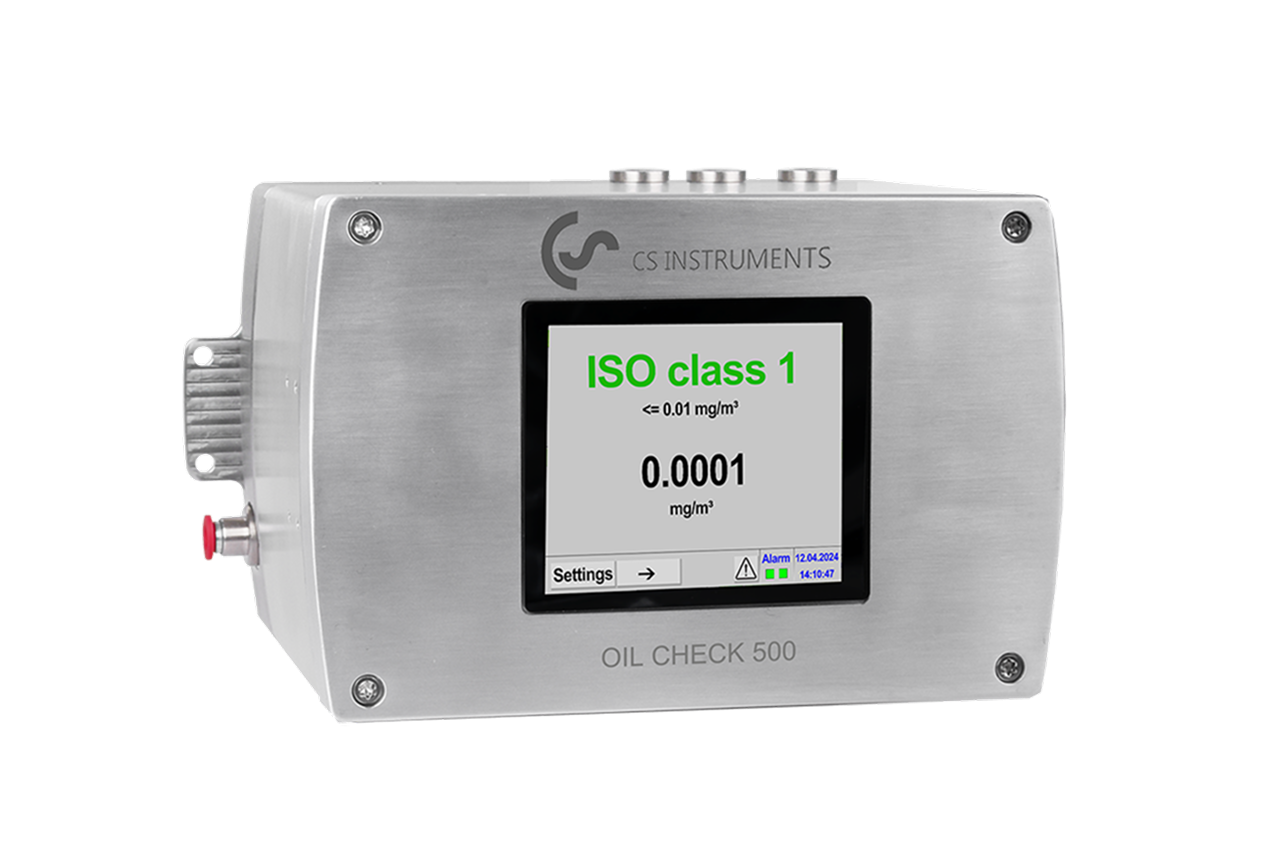
Multi-dryer plants (3+ dryers) ship best as a multi-monitor install package — same transmitter model, same Modbus addressing convention, calibration cycles staggered so only one point is being serviced at a time. Calibration loaner sensors keep the trail unbroken.
Send us the application — a specialist routes you to the correct tier with a configured part. Lead-times and pricing returned within one business day.
—. We reply within one business day with pricing, lead-time, and configured parts.