DISTRIBUTOR-FIRST SUPPLY PARTNER · SINCE 1999 Live · Compressed Air System

The instrument set that documents compressed air purity against ISO 8573-1 — the international standard that rates compressed air by three contaminants (solid particles, water, and oil) and reports the result as a three-digit class code, one digit per contaminant, with a lower number meaning cleaner air. Full measurement is not one instrument but three sensors plus a consolidating data logger — a laser particle counter, a dew point sensor, and a residual oil sensor — installed downstream of the entire treatment train at the point where air contacts product. It sits in the monitoring layer as the documentation tool: it does not condition the air, it produces the audit-grade record an FDA, USDA, GFSI, or notified-body inspector will ask for.
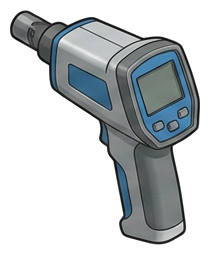
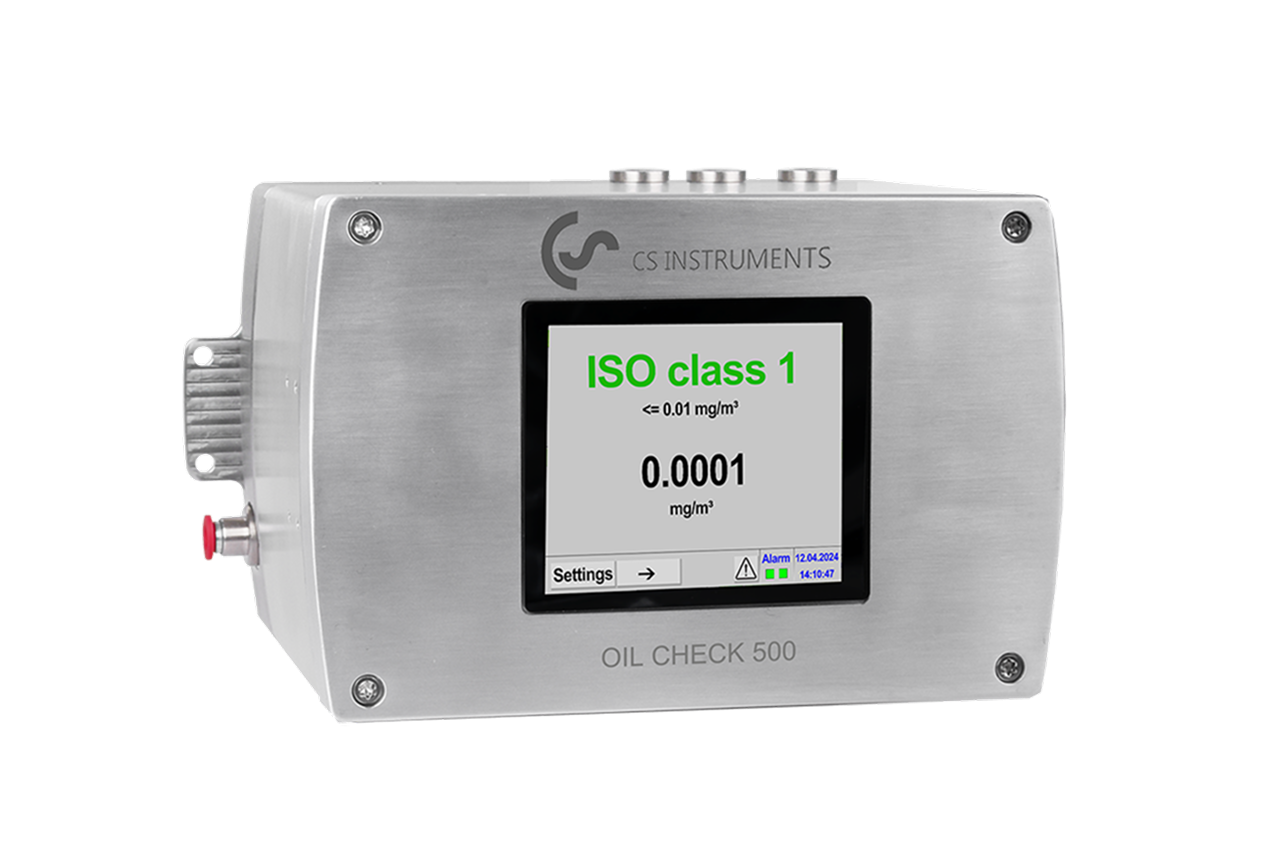
Tips and pointers on when the full ISO 8573-1 analyzer set is the right call — and when to spec something else. Scroll the strip →
ISO 8573-1 class code (e.g. 1.2.1) documented on a continuous logged trail. An inspector arrives, the plant produces the record on demand — that is the difference between conformance and a finding.
Laser particle counter to 0.1 µm, polymer-capacitive PDP sensor, PID-based oil sensor in the low mg/m³ range — consolidated by a logger over Modbus into one time-stamped audit trail with months of history.
"We run an oil-free compressor" is not documentation. ISO 8573-1 Class 0 still requires measurement — the analyzer's oil reading is the proof that closes the audit finding.
Scope sensors to the customer's audit, not the three-parameter default. Water-only audit → dew point monitor. Food contact with documented oil-free → particles + water. Pharma fill line → full three-parameter set.
ISO 8573-1 is verified where air contacts product, not at the dryer. → Re-locate sample tap downstream of final point-of-use filtration; a dryer-outlet reading does not certify the air the product touches.
Auditors ask for calibration certificates and sensing-method validation — import-tier kit can't produce them. → Spec audit-grade sensors with documented calibration program; old uncalibrated sensors are failed equipment for audit purposes.
An instrument without documented readback procedure, calibration cadence, and alarm response is half a deliverable. → Hand off a written SOP with the install — the paperwork is what closes the auditor finding, not the sensor on the wall.
From the machine spec sheet to the part number. Answer what you know, leave the rest blank, and send.
Pick the priority; the quote desk handles the cross-reference.
You can build the cleanest compressed air system in the country, but if the plant cannot produce a logged ISO 8573-1 record on demand, the auditor calls it unverified — and unverified air is non-conforming air.
Each industry below uses this product across the listed areas. Open an industry to see how it fits the rest of its system.
 Food & Beverage Processing →
  Pharmaceutical, Medical Device & Laboratory →
  Electronics & Semiconductor →
  Medical & Dental Equipment →
  Chemical & Petrochemical →
 Also applies to ISO 8573-1 Class 1.2.1 or stricter is typical · Plants undertaking a new ISO 8573-1 compliance program · baseline audit (portable kit, characterize current state) · fixed-install rollout · Third-party compressed air auditors and consultancies
Every entry is a real product on this site — linked, not just named. Quote them on the same line item.
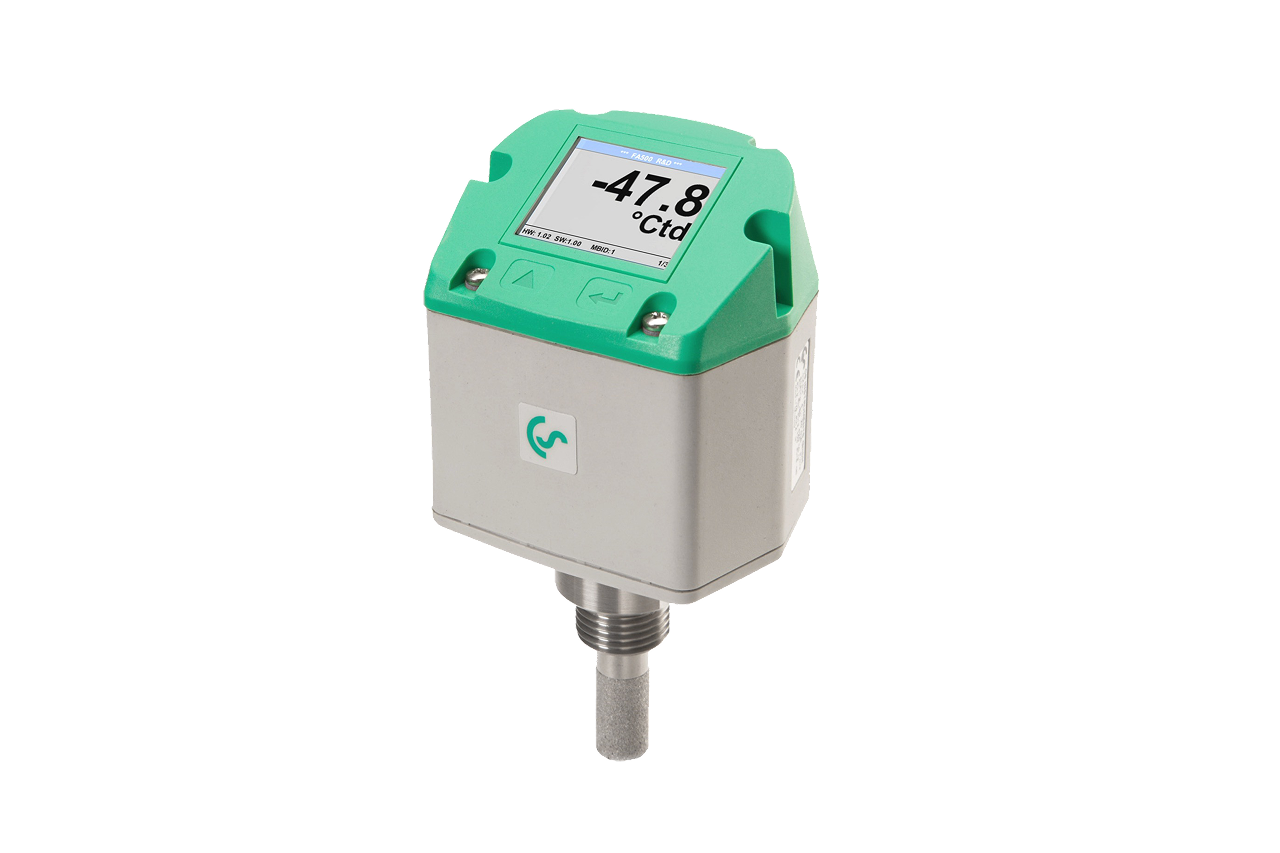
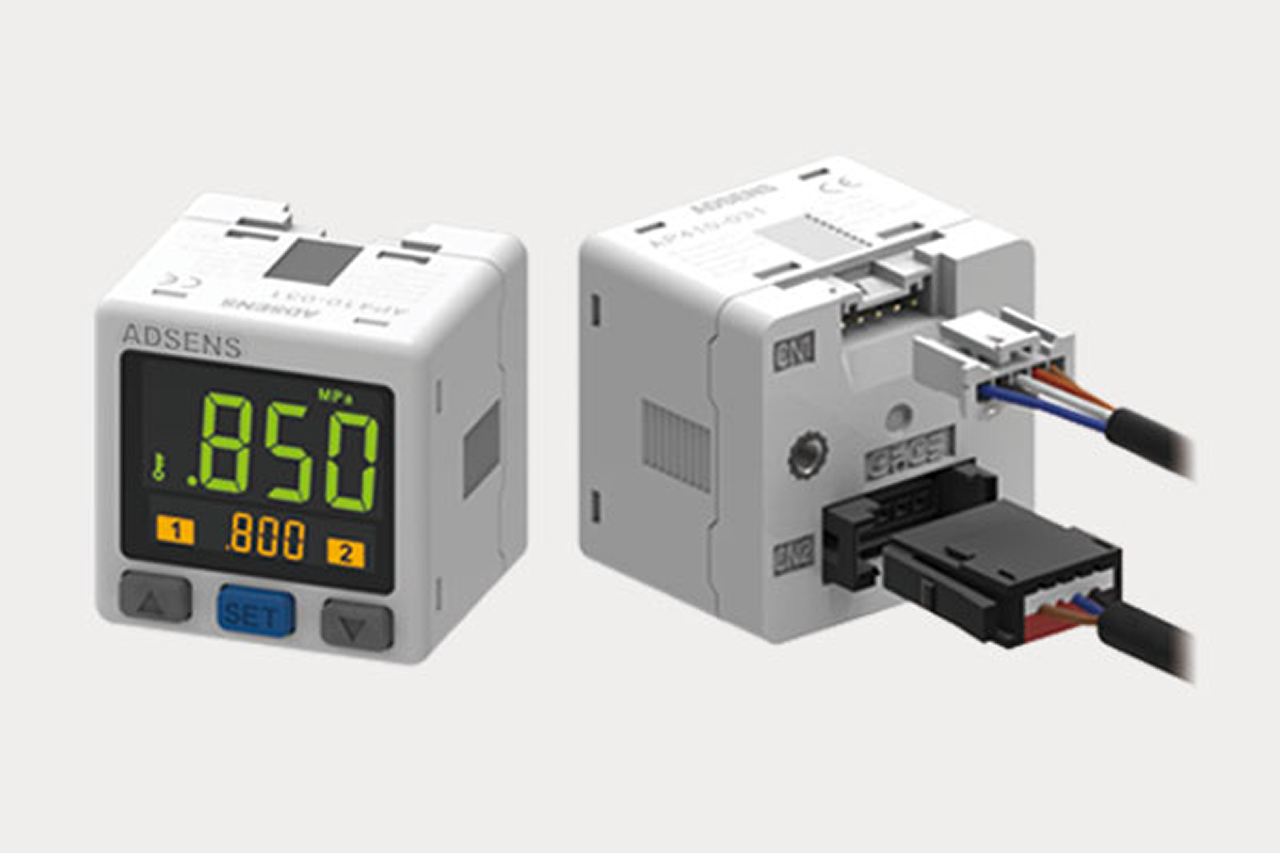
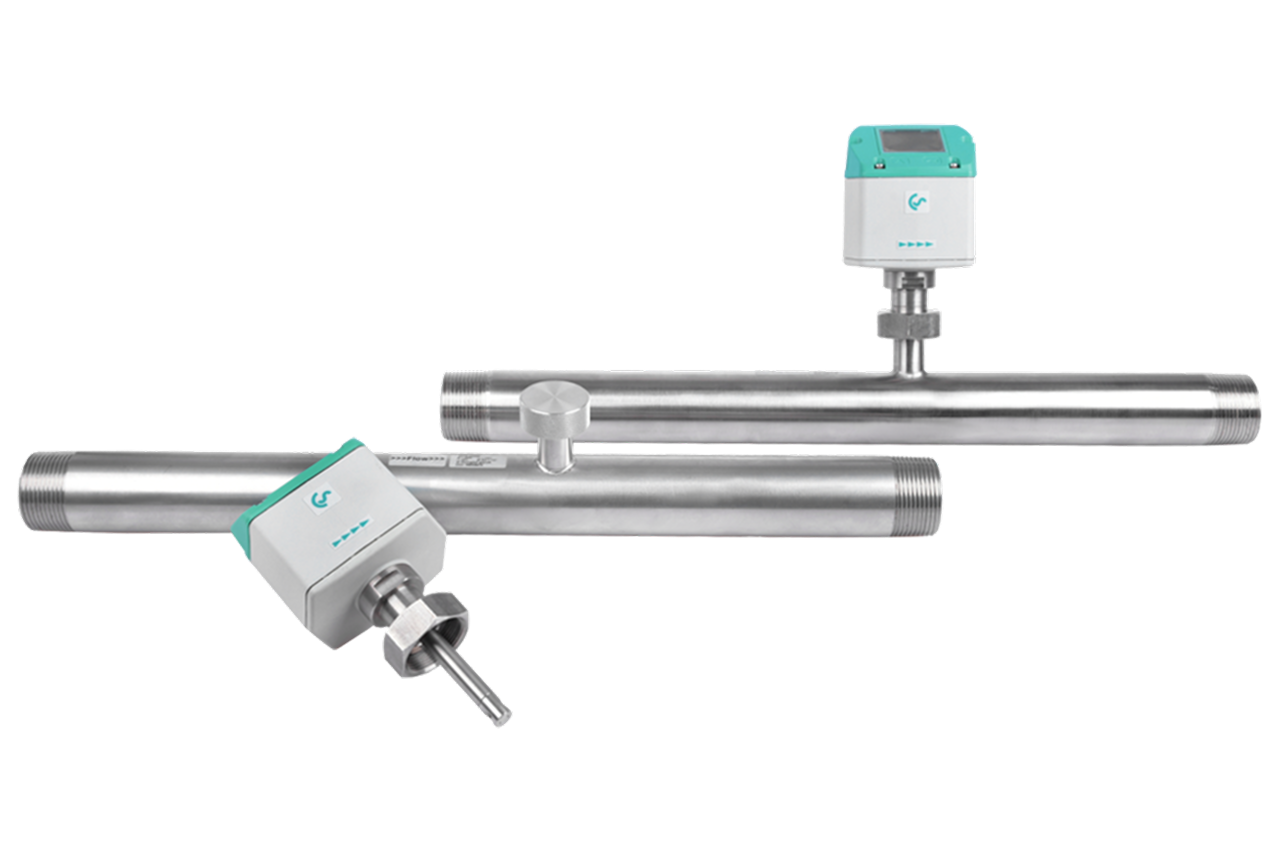
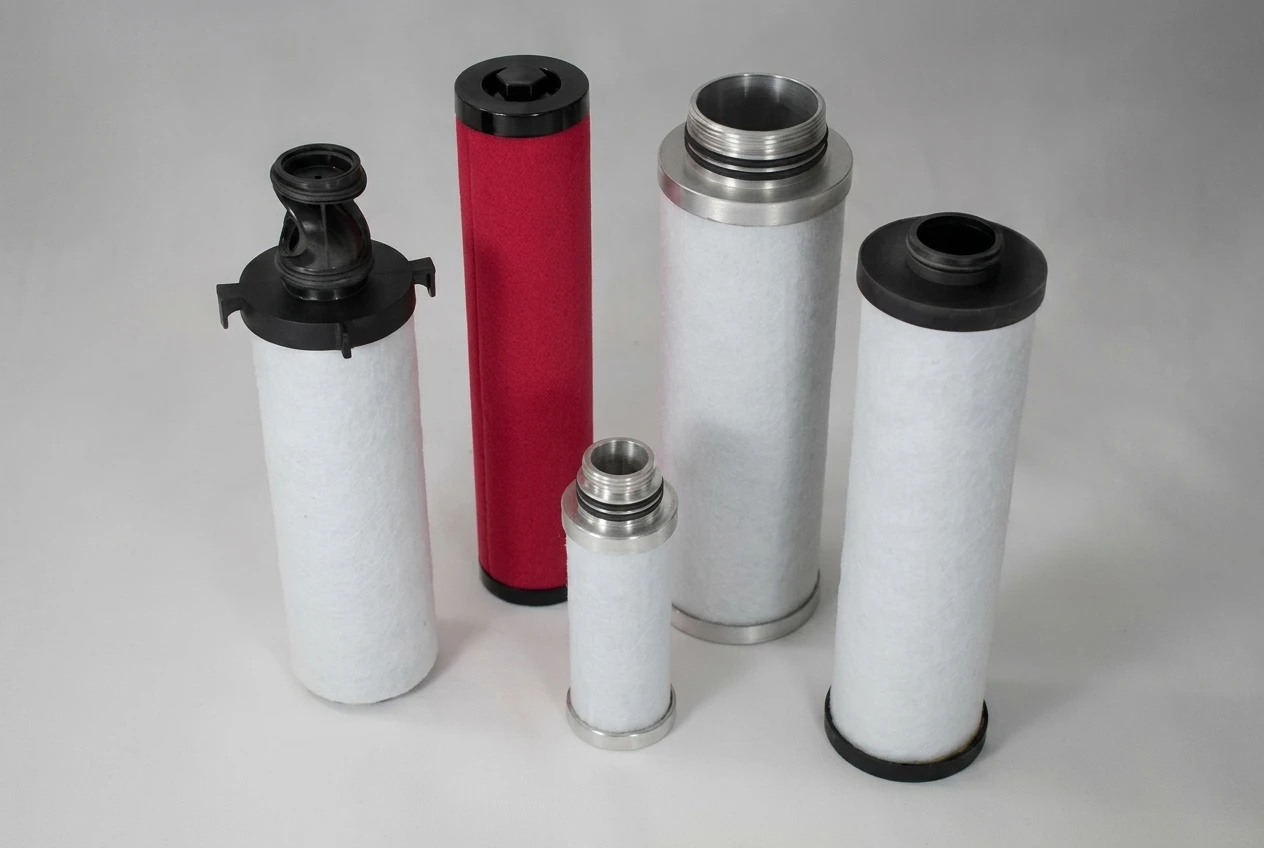
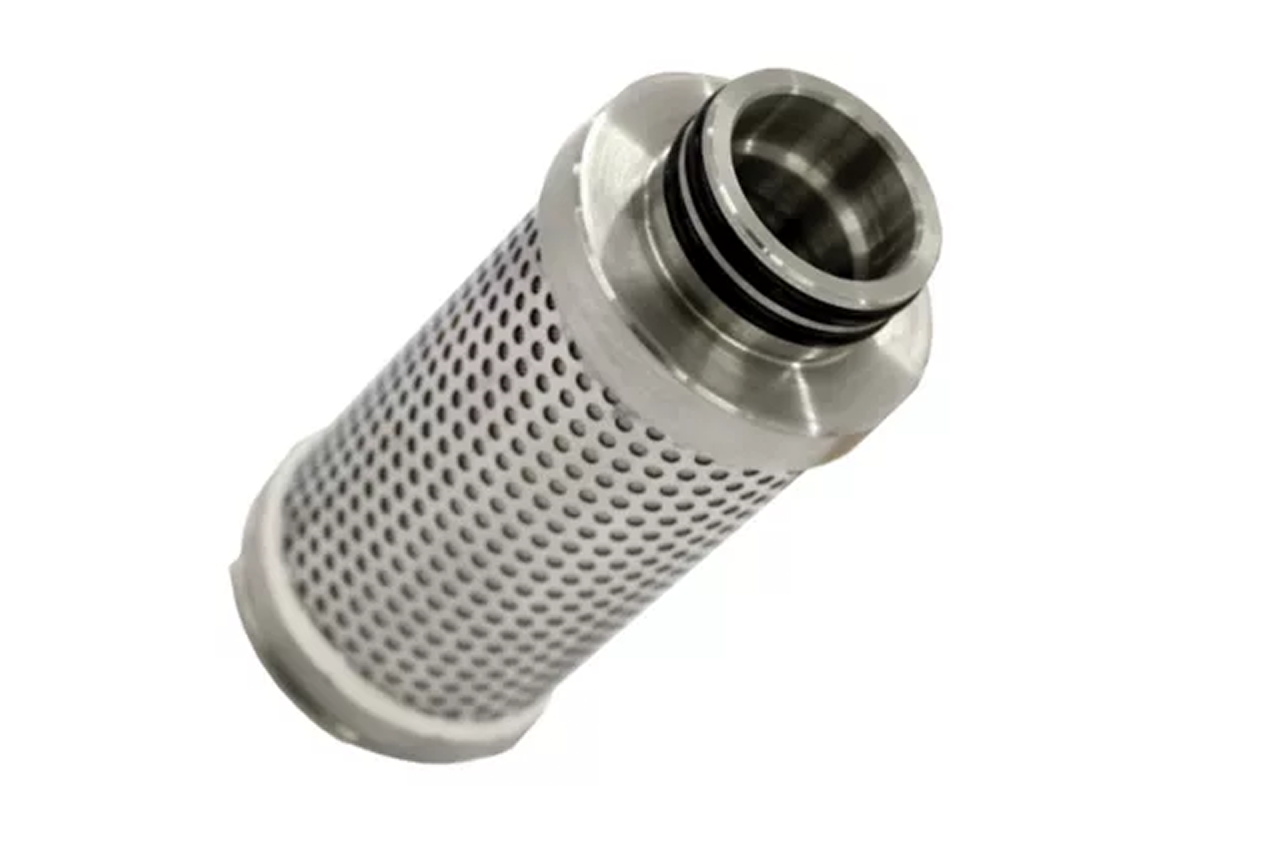
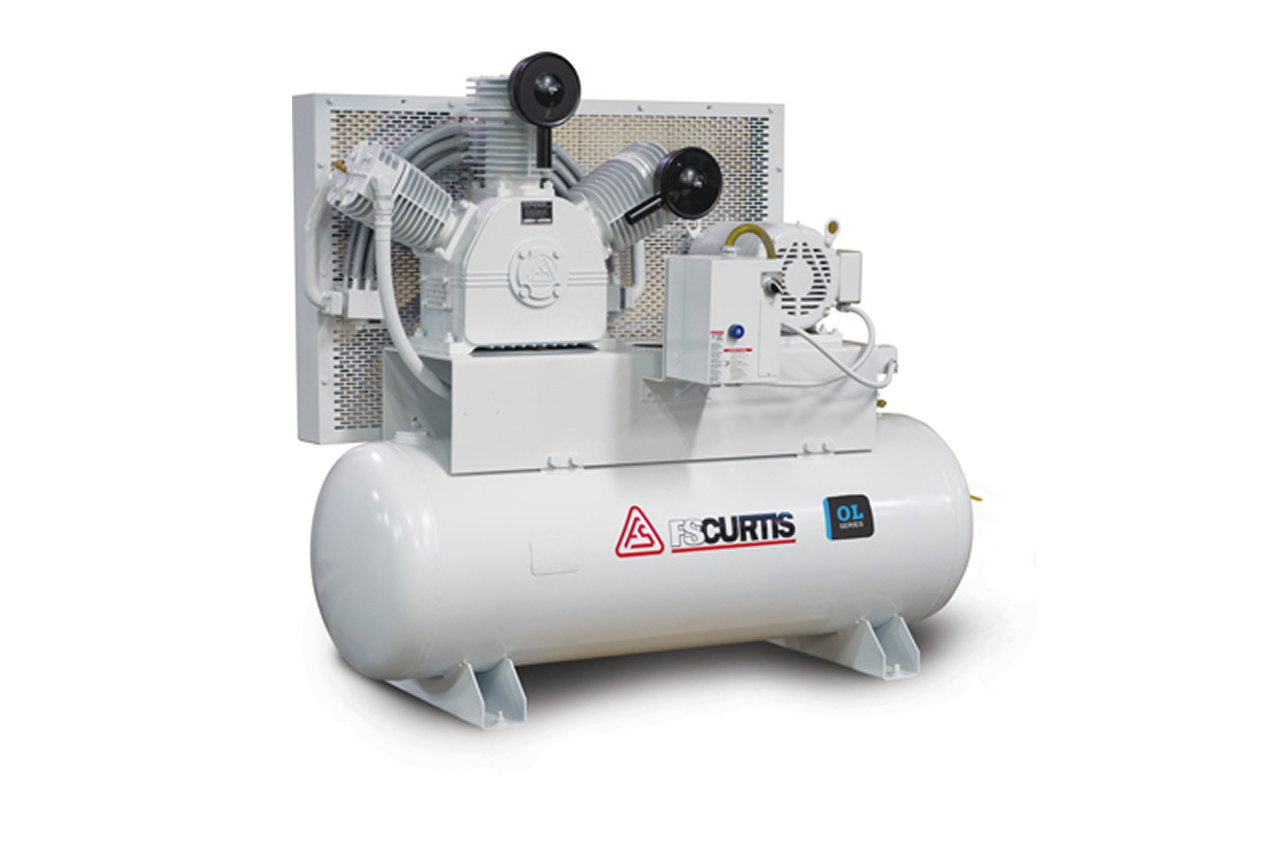
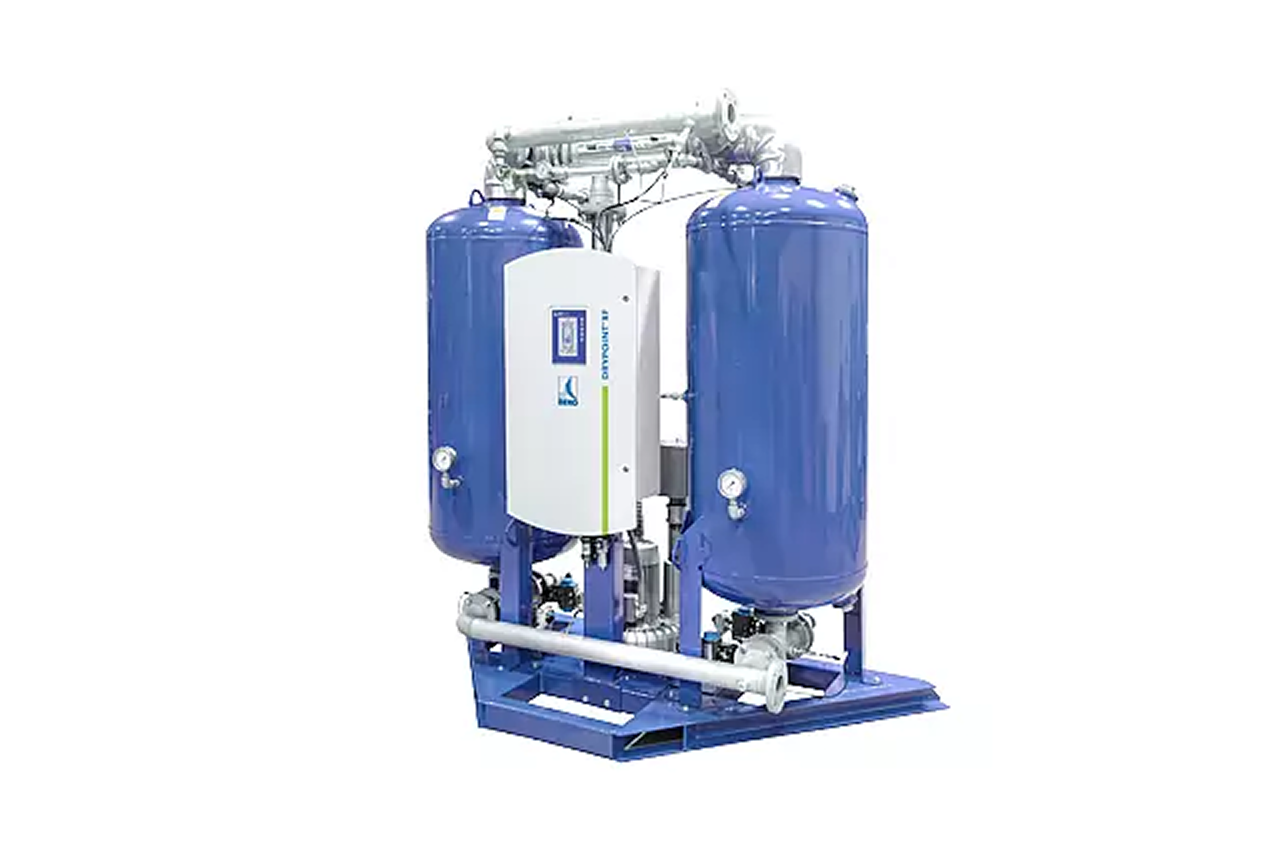
Audit-service consultancies running portable kits across customer sites quote the three sensors + logger + transit case + calibration program as one bundle. Multi-point fixed installs (3+ points of use) stagger calibration cycles so only one point is being serviced at a time.
Send us the application — a specialist routes you to the correct tier with a configured part. Lead-times and pricing returned within one business day.
—. We reply within one business day with pricing, lead-time, and configured parts.