DISTRIBUTOR-FIRST SUPPLY PARTNER · SINCE 1999 Live · Compressed Air System

An oil-water separator (OWS) cleans the oily condensate that drains off a compressed-air system so the water can go down the sewer legally. Raw condensate from an oil-injected compressor runs 300+ ppm oil, while local sewer limits usually fall between 10 and 40 ppm. That means untreated condensate runs many times over the line, and pouring it to a floor drain is a discharge violation. The OWS collects the drains from across the plant (aftercooler, receiver tank, dryer, filter sumps) into one inlet, pulls the oil out as a separate waste stream for recycling, and sends the cleaned water to the drain, with the compliance paperwork on file.
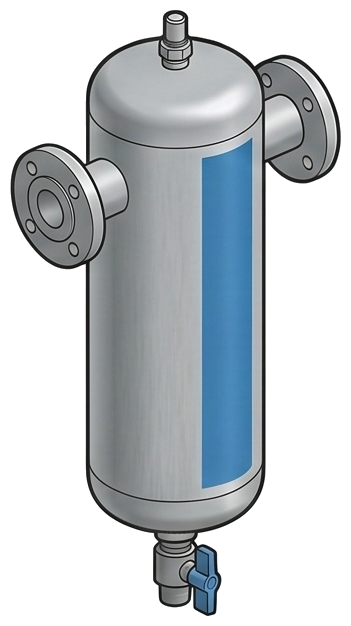
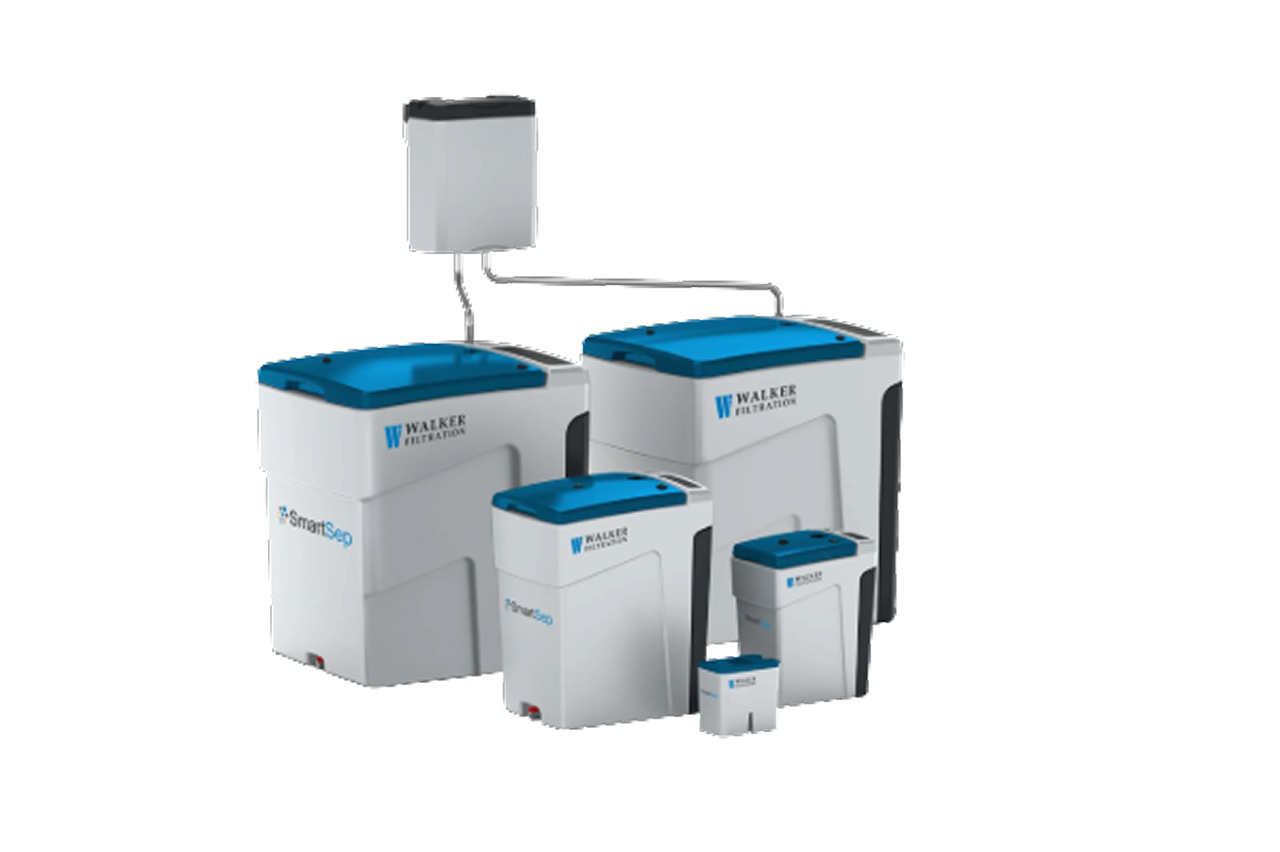
Where the OWS is non-negotiable — and where the spec breaks if it's sized or sited wrong. Scroll the strip →
Raw condensate runs 300+ ppm oil against local POTW limits that commonly fall between 10 and 40 ppm — multiples over. Staged separation polishes outlet water to under 10 ppm, below most local POTW (Publicly Owned Treatment Works) limits. The OWS converts illegal effluent into legal effluent. Full stop.
Free oil collects in a top chamber — typically 1-5 gallons per month per OWS — disposed of through standard used-oil recycling at low cost. The customer's waste-oil paperwork doubles as audit documentation; both the EPA inspector and the lease holder ask for it.
EPA fines for oily-discharge violations run $25,000-50,000 per day per violation, and state/local POTW enforcement has been climbing year over year. One OWS sized to total compressor HP defends the whole site — cheap insurance against a five-figure finding.
Sum nameplate HP across every compressor feeding the discharge, apply 1.5x de-rating for humid climates (Gulf Coast, Southeast, eastern summer), then pick one model step larger. Stock the first replacement media set at install — media is a 6-12 month consumable and the recurring relationship.
Oil-free compressors don't generate oily condensate — no OWS needed for those machines. But verify each compressor individually: most "oil-free" facilities still have one oil-injected unit somewhere on the discharge. That one line still needs the OWS.
Most standard OWS housings are not rated for outdoor freezing service — a frozen separator back-pressures every upstream drain. → Relocate indoors, or spec a heated enclosure with insulation and heat trace on inlet/outlet plumbing.
Spill socks are a one-time response, not a continuous treatment — they saturate in days under real condensate flow, and the customer is non-compliant the whole time. → Re-spec to a properly sized OWS; socks fail the next inspection regardless of how recently they were laid.
From the machine spec sheet to the part number. Answer what you know, leave the rest blank, and send.
Pick the priority; the quote desk handles the cross-reference.
Oil-water separators sell on the day the customer learns about them — usually because an EPA notice, a tenant audit, or a tour from the local POTW inspector forced the conversation. The job is to surface the requirement BEFORE the enforcement event, not after.
Each industry below uses this product across the listed areas. Open an industry to see how it fits the rest of its system.
 Automotive Manufacturing →
 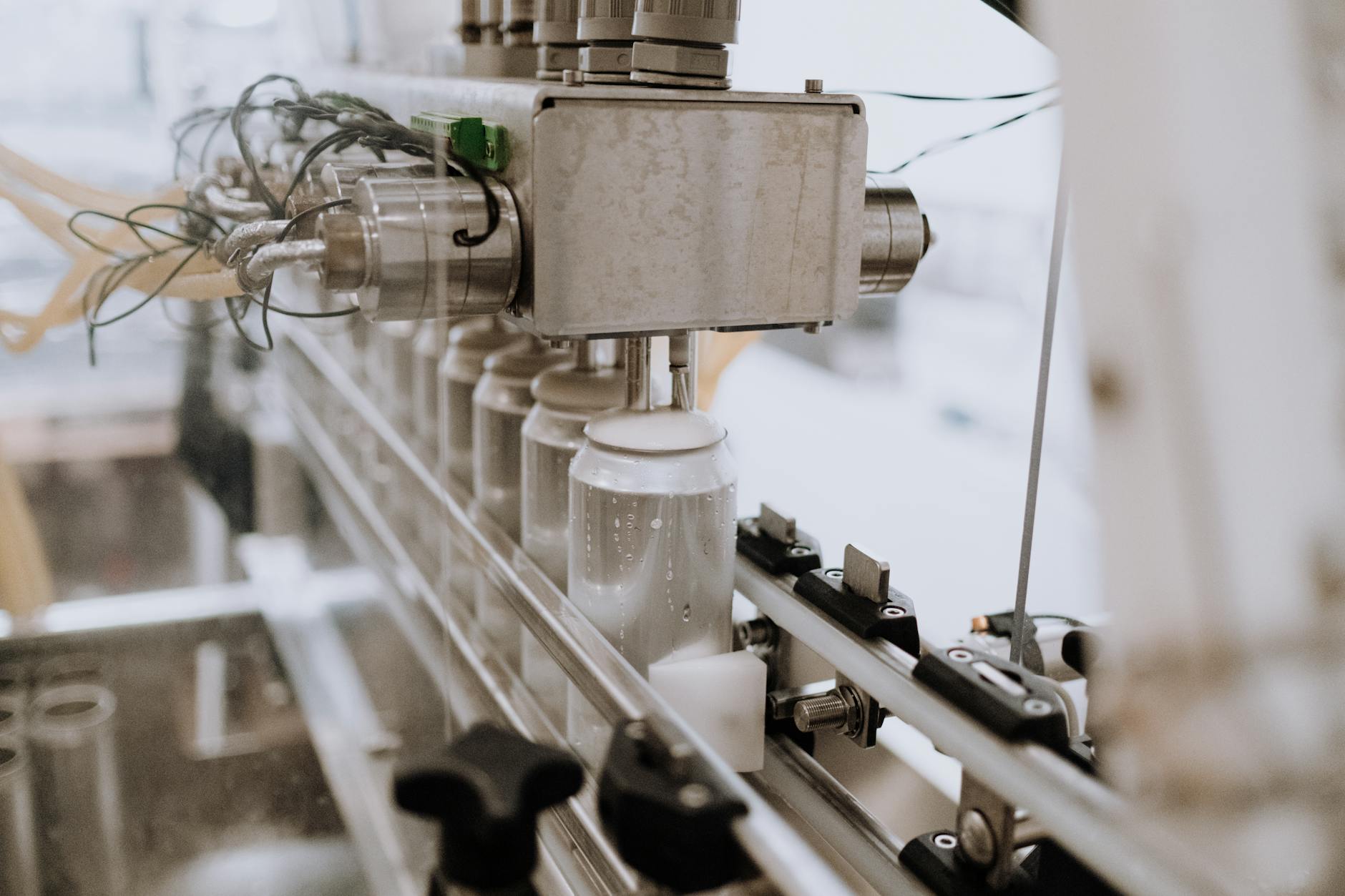 Food & Beverage Processing →
 Also applies to Any facility with one or more oil-injected compressors · Multi-compressor industrial plants · Manufacturing plants with onsite tenants or shared facilities · Generator-package and outdoor compressors · NOT typically used in
Every entry is a real product on this site — linked, not just named. Quote them on the same line item.
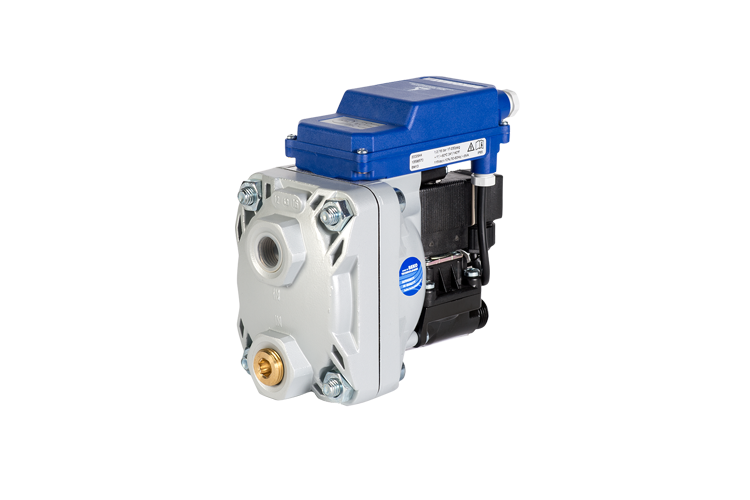
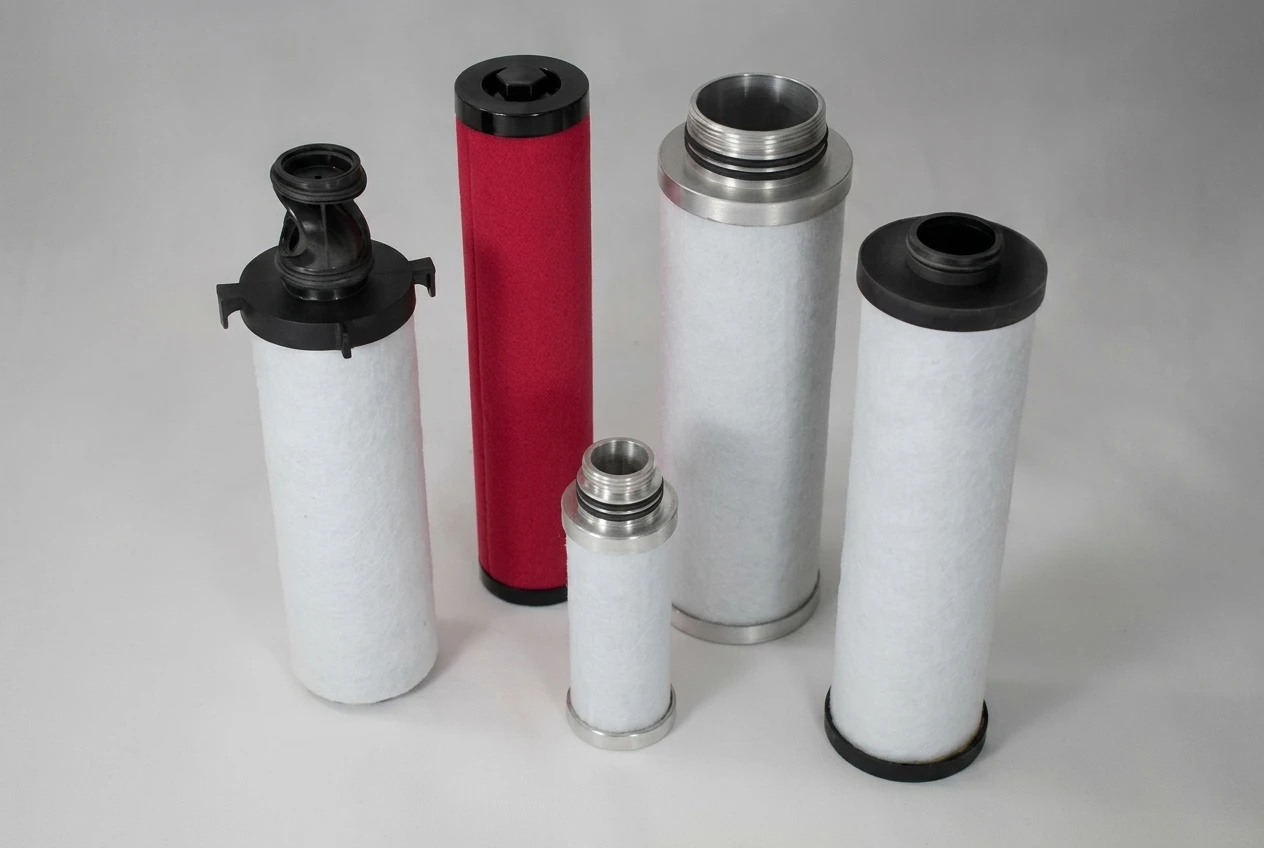
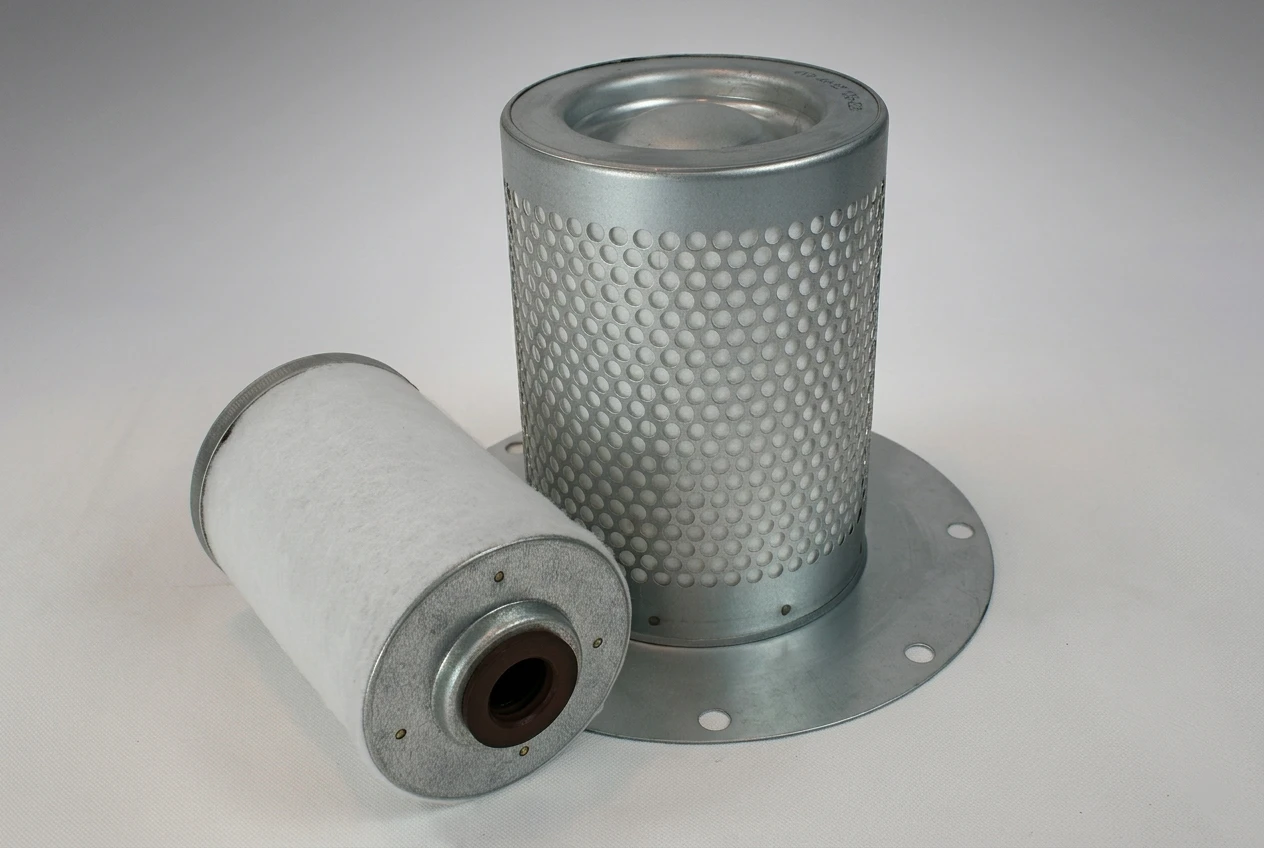
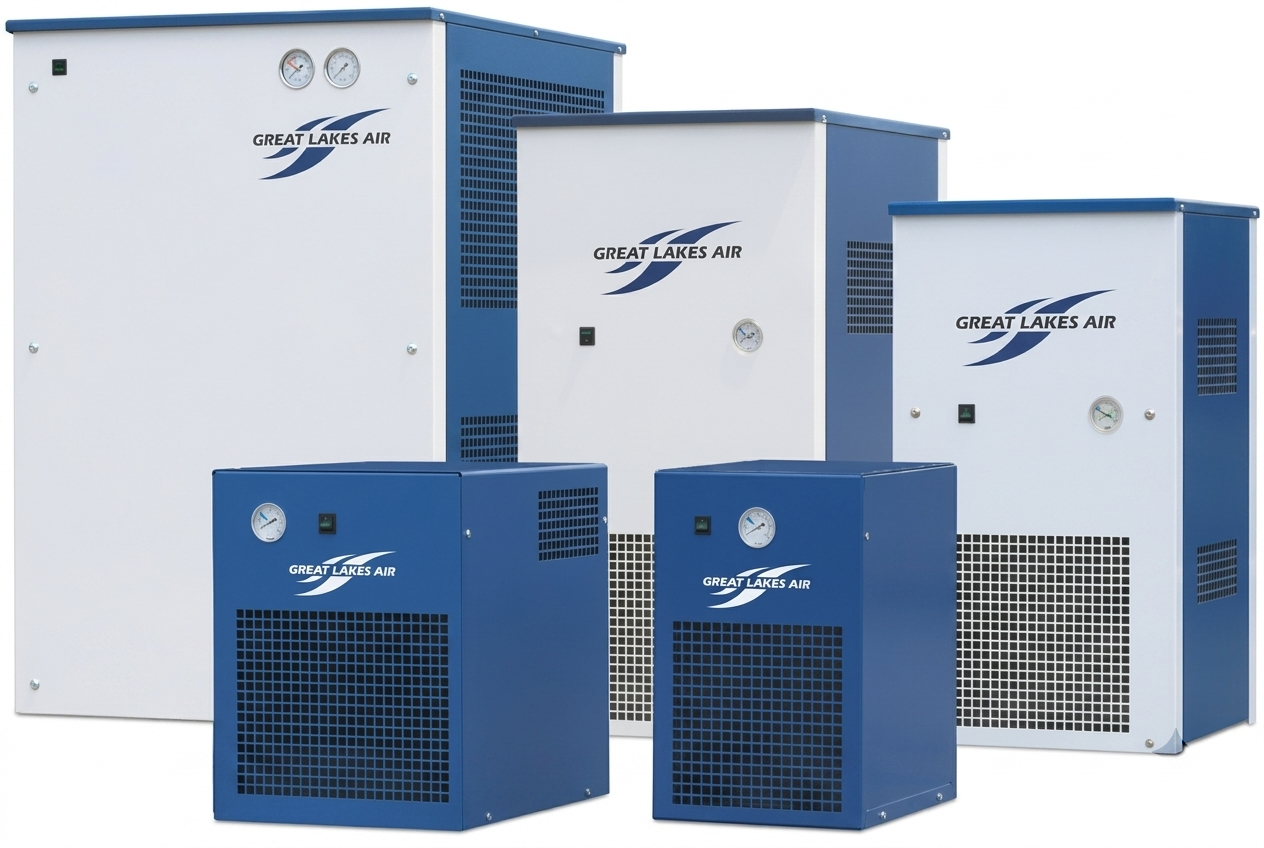
Stock one replacement media set per OWS per service interval at the customer's site. Media is the recurring revenue stream and the customer's breakthrough-protection insurance — running out of media on the shelf when the sight glass shows breakthrough is the failure mode you're selling against.
Send us the application — a specialist routes you to the correct tier with a configured part. Lead-times and pricing returned within one business day.
—. We reply within one business day with pricing, lead-time, and configured parts.