O) is the default — sets cylinder speed by throttling the exhaust air. The most common attach miss on the cylinder quote. DISTRIBUTOR-FIRST SUPPLY PARTNER · SINCE 1999 Live · Pneumatic Automation System

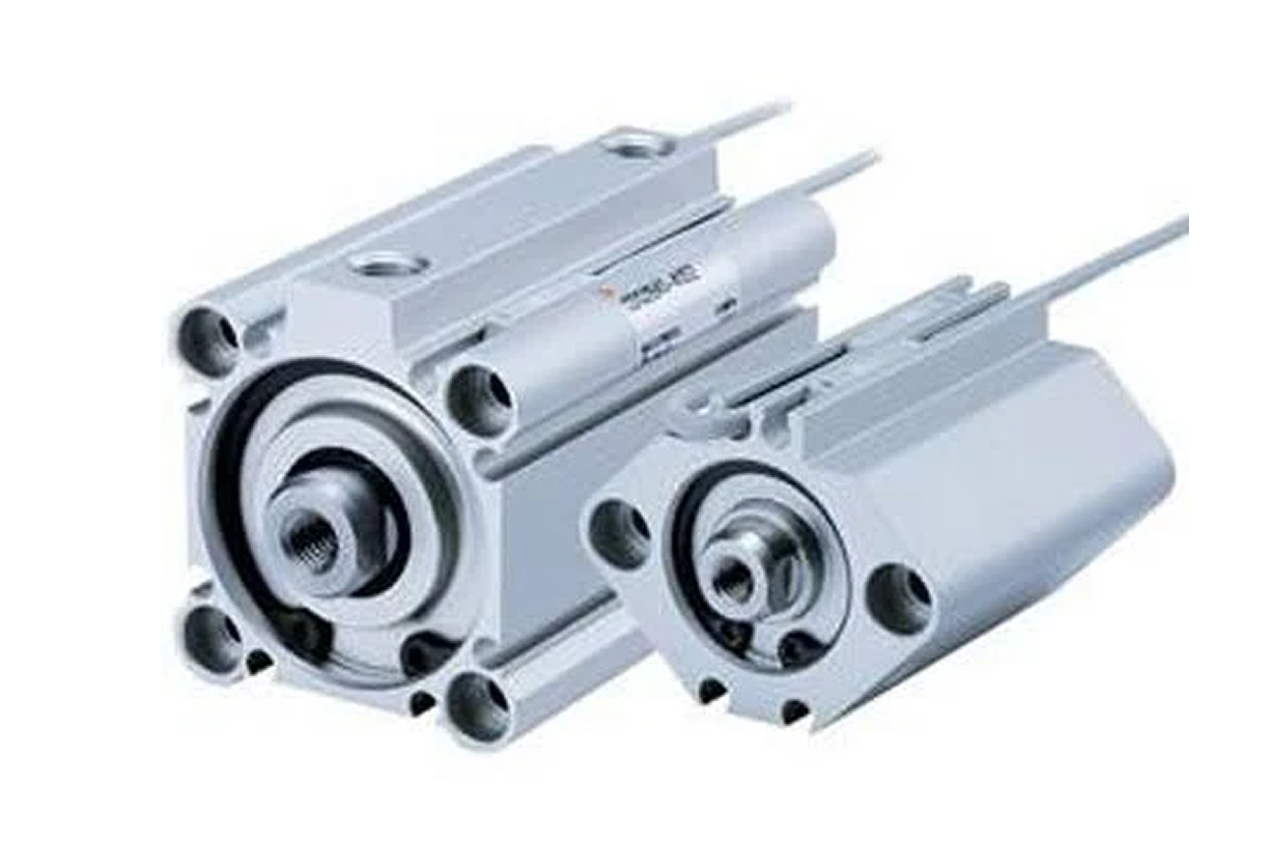
An ISO 15552 cylinder (the European/metric dimensional standard for profile cylinders) is a pneumatic actuator with an extruded aluminum barrel, a built-in longitudinal slot for magnetic position switches, and mounting dimensions fixed by the ISO 15552 standard. It is the default linear actuator on modern OEM automation in the 32-100mm bore range — pick-and-place arms, conveyor diverters, clamp stations, lift platforms, indexing tables. The cylinder mounts to the machine frame via foot, flange, pivot/clevis, or trunnion hardware (all to the ISO 15552 accessory standard, so brackets cross brands) and drives a load through its rod end.
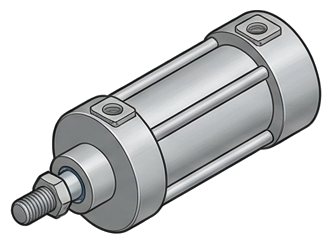
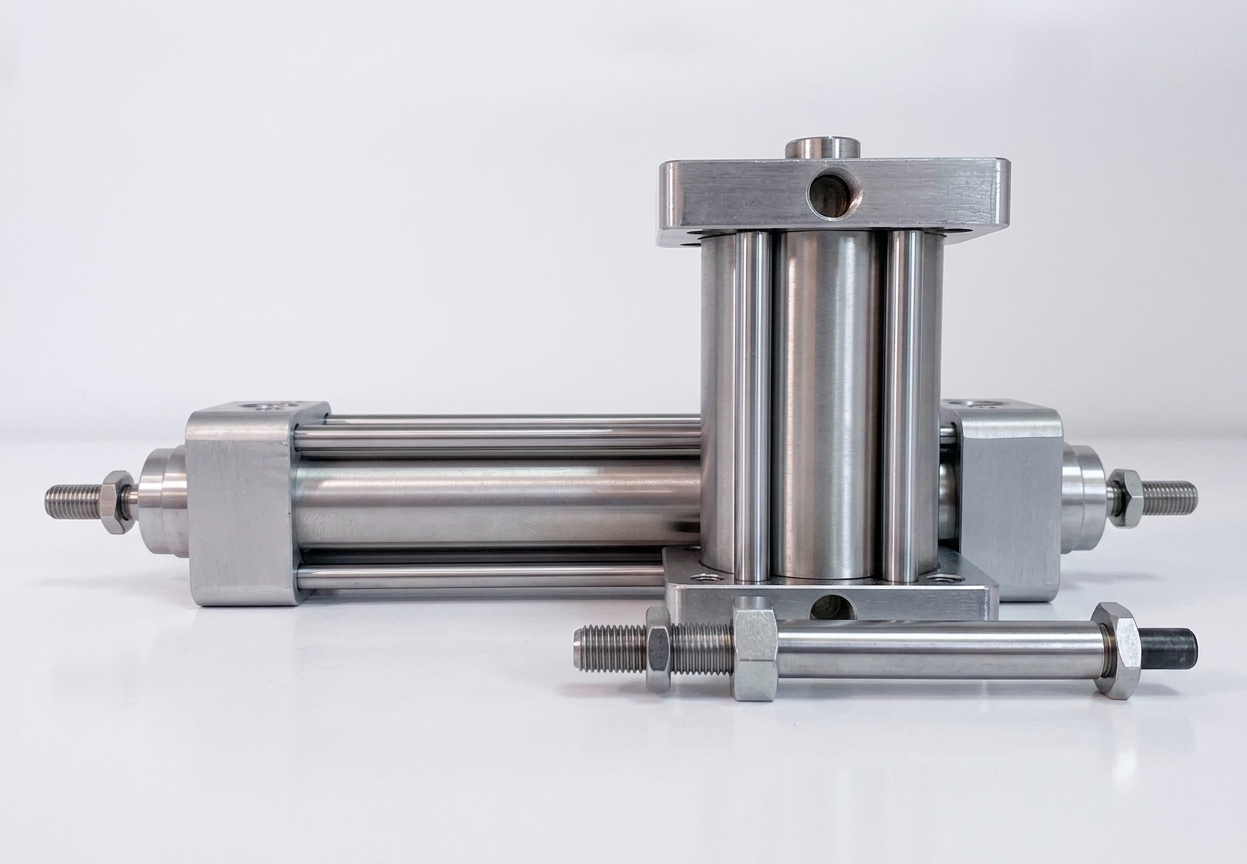
Tips and pointers on when ISO 15552 is the right linear actuator — and when to spec a different cylinder family. Scroll the strip →
Bore, stroke, mount geometry, and rod-end thread are all fixed by the ISO 15552 standard — any compliant brand swaps into another's mount without re-engineering. One spec, three tiers at three price points on every quote.
A longitudinal slot in the barrel extrusion accepts magnetic switches with no external bracket. Slide in, set with the cylinder cycling, tighten. The PLC gets extend-confirmed and retract-confirmed without a fabrication project.
Extruded aluminum barrel, chrome rod, NBR seals, adjustable air cushion both ends, magnetic piston standard. 50M+ cycles on Industry Leader tier, 10-25M on Emerging tier — the dominant new-build cylinder in modern packaging, assembly, and material handling.
Push force = pressure × piston area. At 80 PSI: 50mm ≈ 245 lbs, 80mm ≈ 625 lbs, 100mm ≈ 975 lbs. Add 25-50% safety factor. Every cylinder sale is also 2 speed controllers + 2 position sensors + a rebuild kit — capture them on the same line.
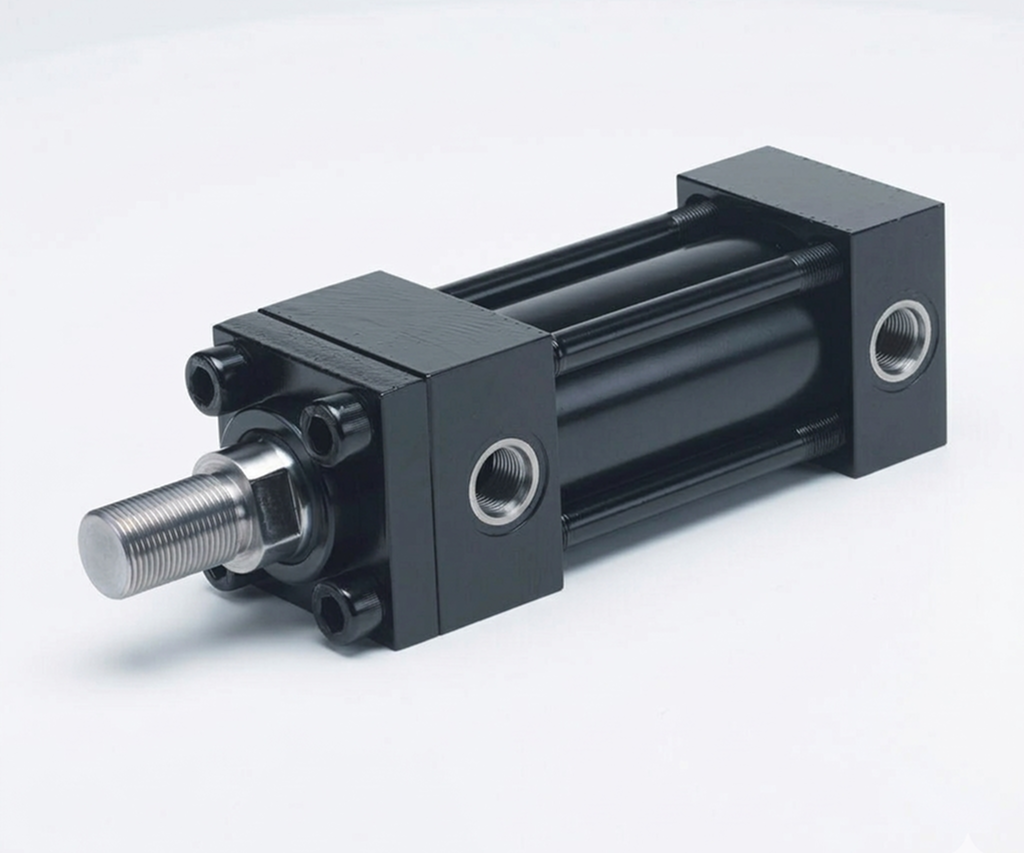
Above ~100mm (4") bore or on press / forming / stamping work, the tie-rod construction is the right answer. → Switch to NFPA tie-rod for 1.5"-14" bore, shock loads, and field-rebuildability on installed-base machines.
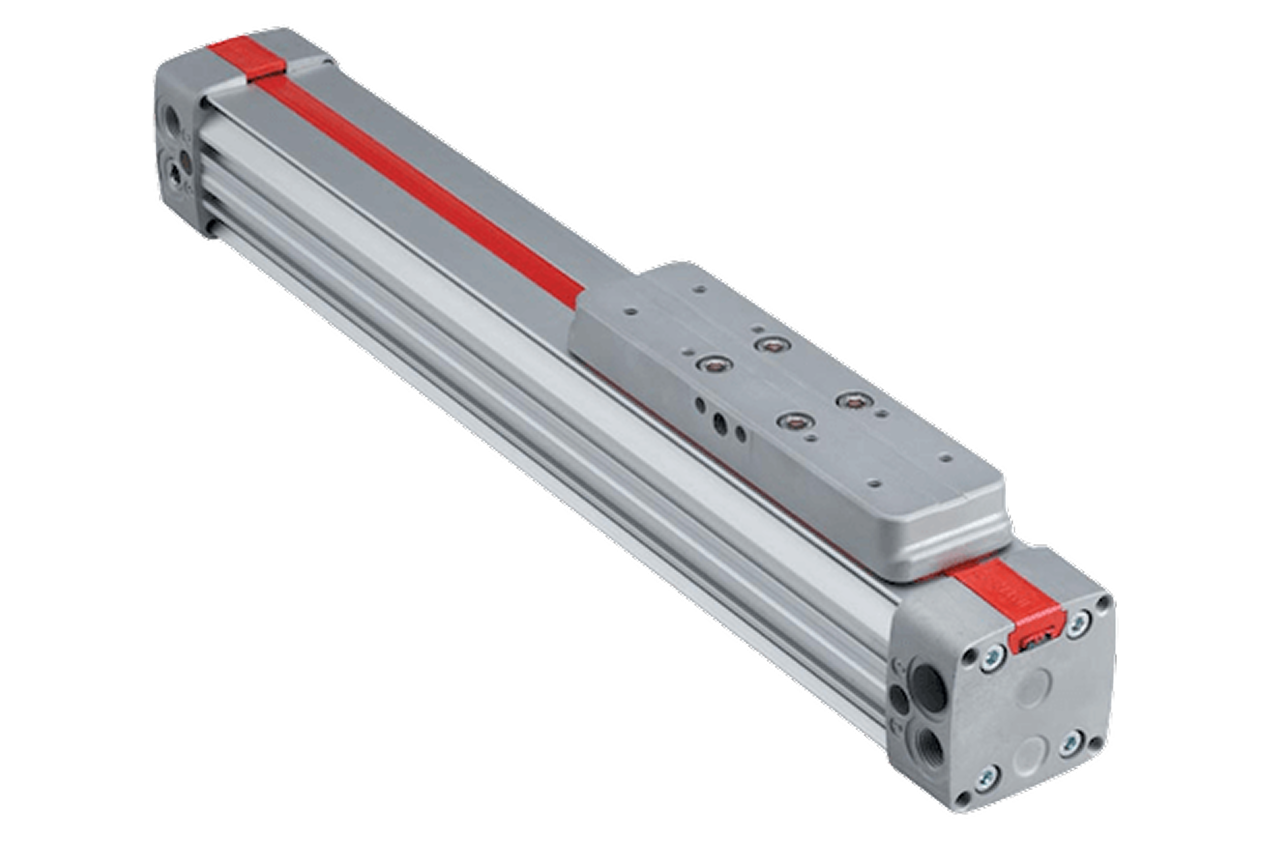
A 1m ISO 15552 needs 2m of installed length — the body has to hold the retracted rod plus a full stroke to extend it. → Re-spec to rodless: external carriage rides the barrel, installed length ≈ stroke length.
Standard ISO 15552 in foundry heat, cement dust, or 2-5× shock loading fails at 1/4 to 1/2 service life. → Re-spec to heavy-duty cast with FKM seals and hard-chrome rod when the environment, not the motion, drives the spec.
From the machine spec sheet to the part number. Answer what you know, leave the rest blank, and send.
Pick the priority; the quote desk handles the cross-reference.
ISO 15552 is the sale that turns one quote into a 10-year MRO line.
Each industry below uses this product across the listed areas. Open an industry to see how it fits the rest of its system.
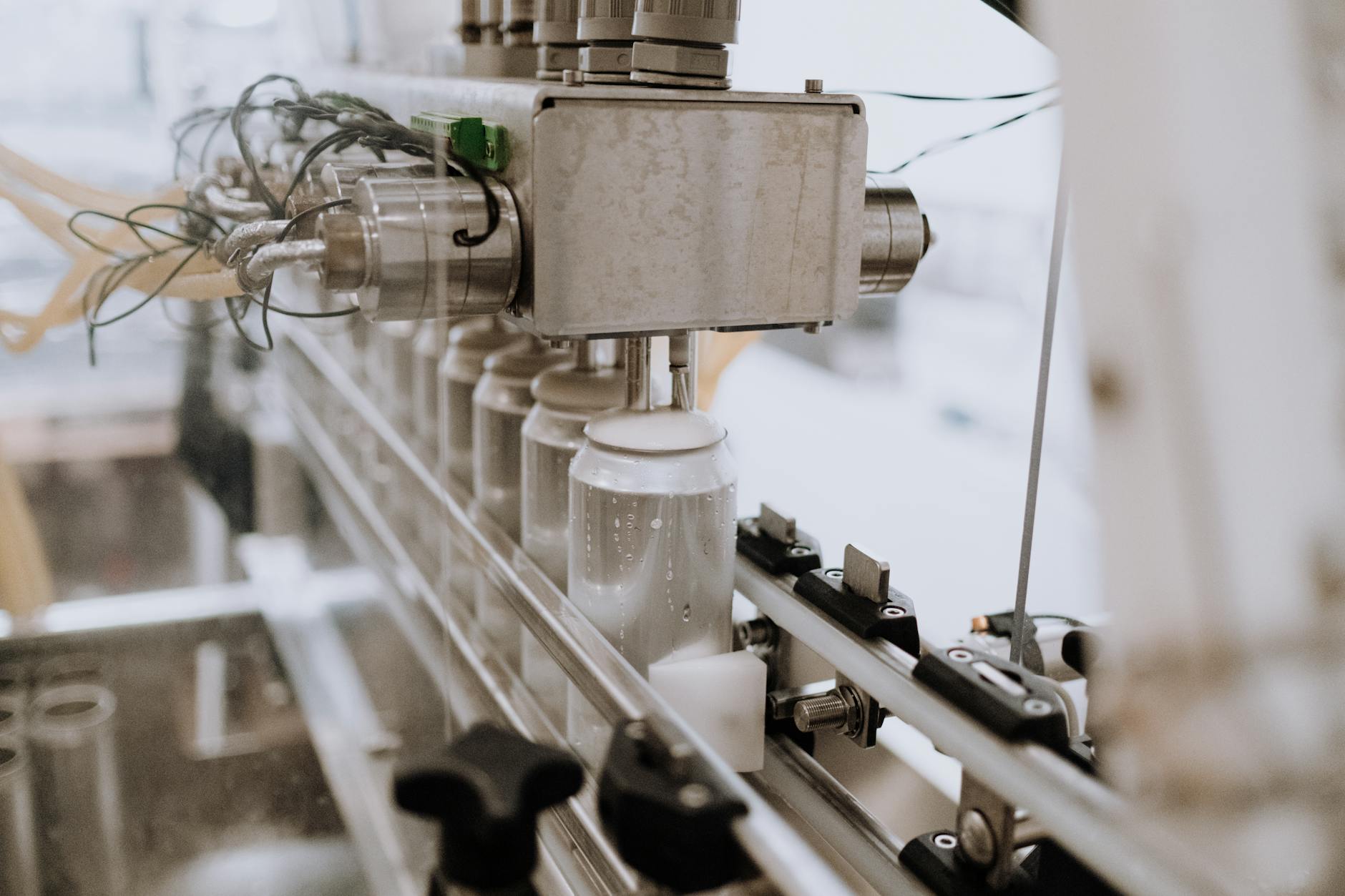 Food & Beverage Processing →
  Pharmaceutical, Medical Device & Laboratory →
 Also applies to OEM automation — general-purpose mid-bore actuation · Replacement on legacy machines · Hazardous-location equipment · Test stands & lab equipment · Robotic auxiliary axes & pneumatic clamps
Every entry is a real product on this site — linked, not just named. Quote them on the same line item.
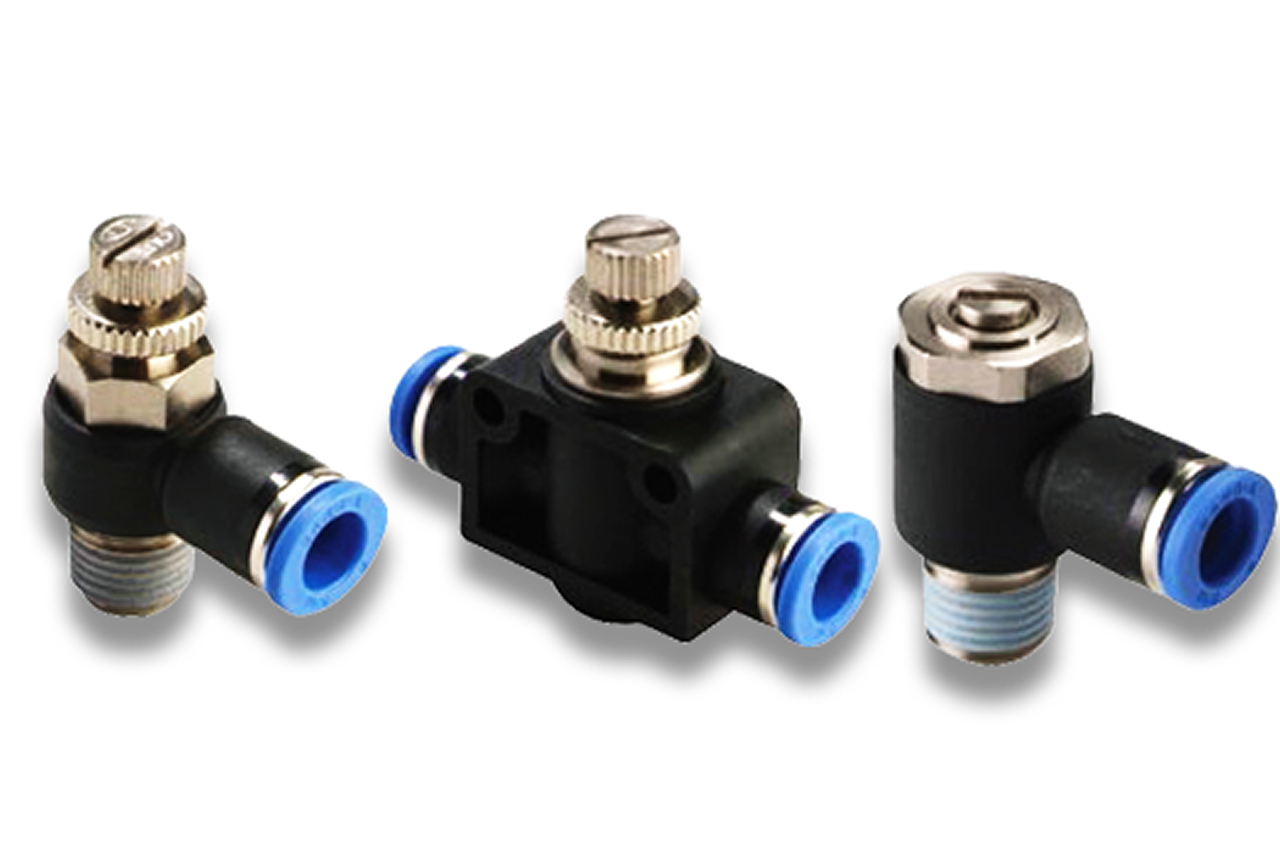
O) is the default — sets cylinder speed by throttling the exhaust air. The most common attach miss on the cylinder quote.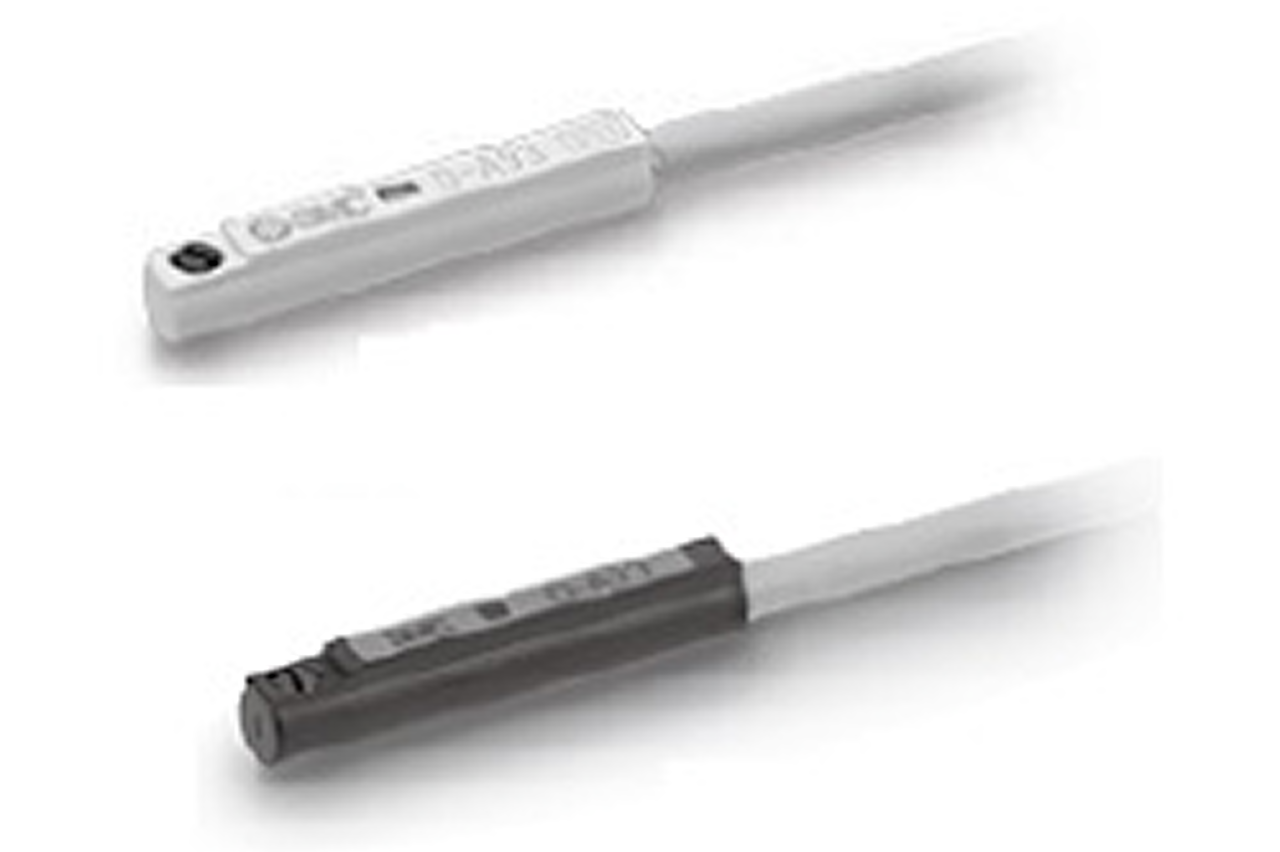
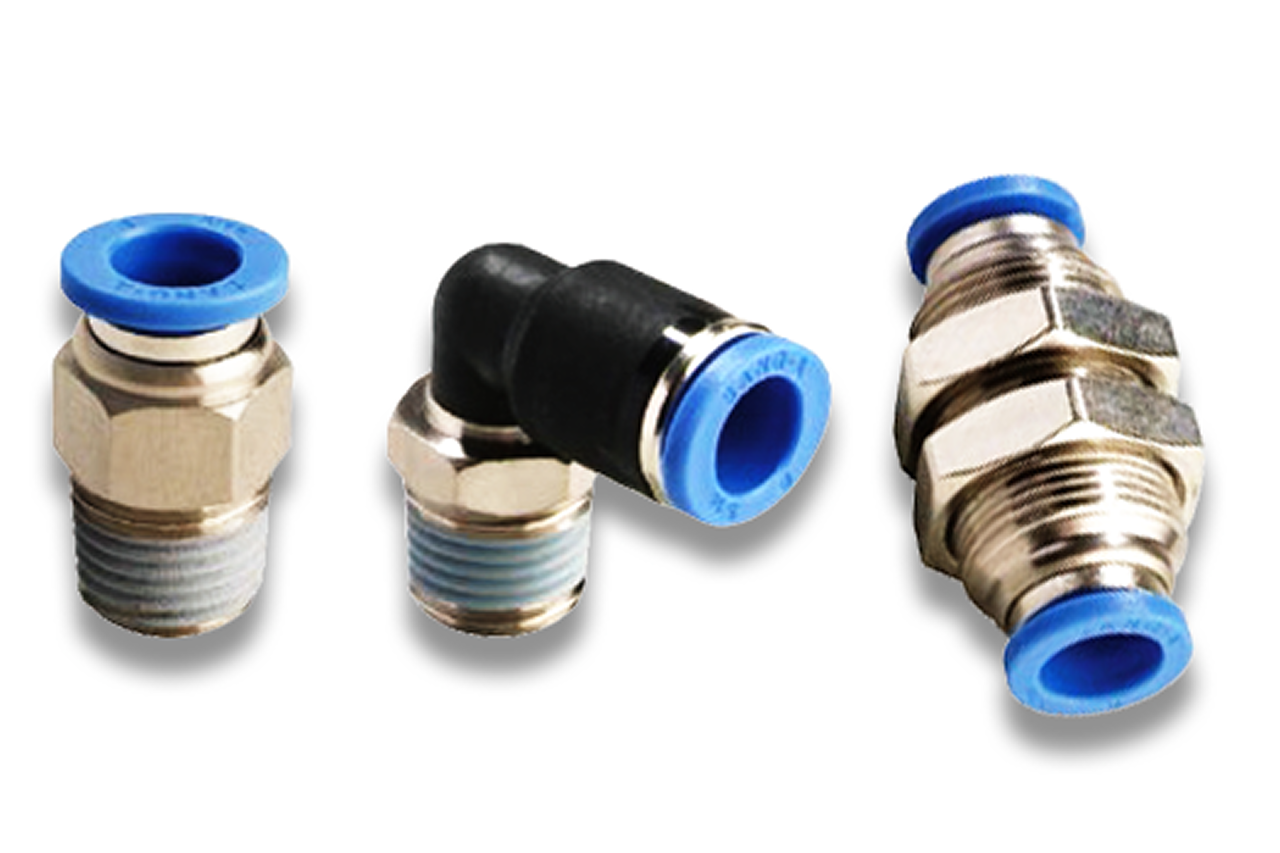
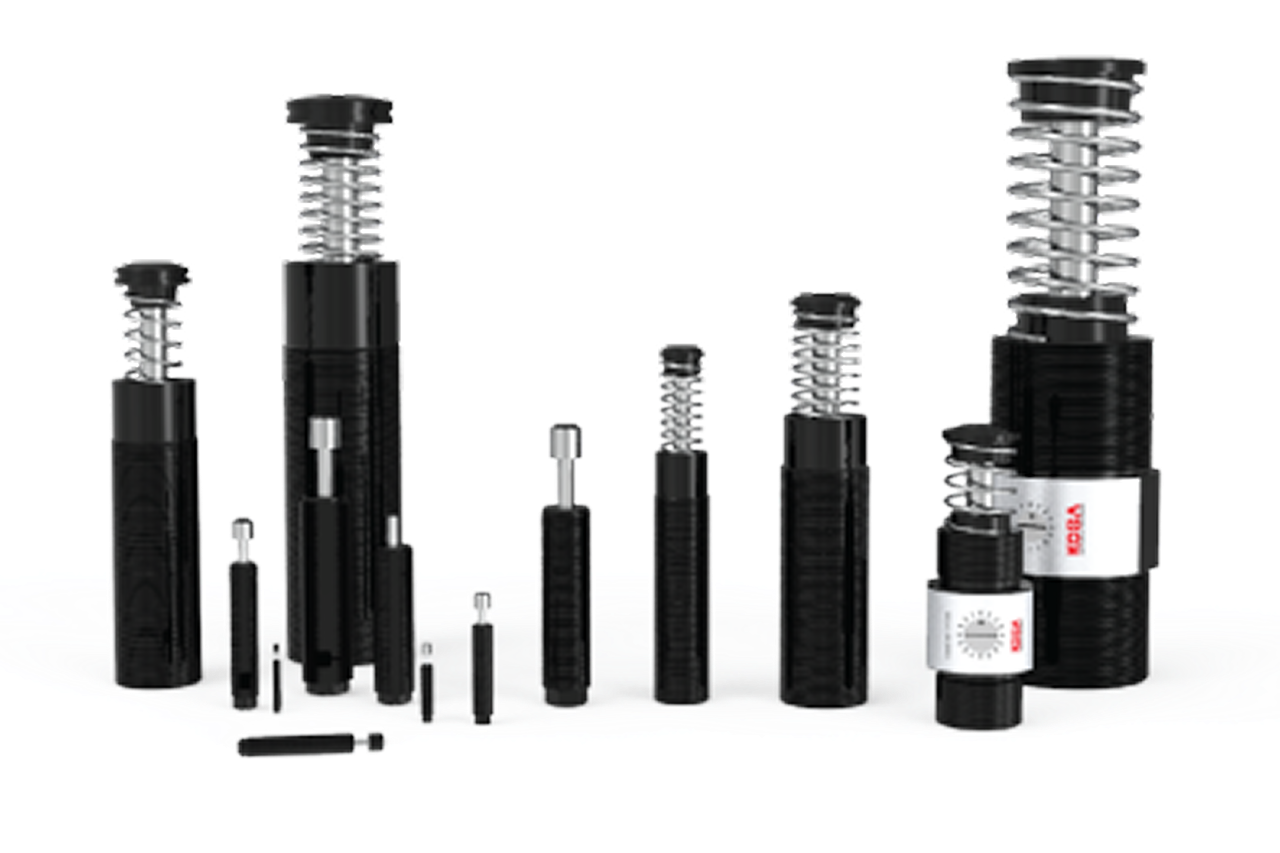
Stock the rebuild-kit + 2 position sensors + 2 speed controllers on the customer's MRO shelf at original cylinder sale. Three-year forward inventory pays for itself the first time the cylinder needs service — kit + sensors + controllers on the shelf turns a 3-day production downtime into a 30-minute rebuild.
Send us the application — a specialist routes you to the correct tier with a configured part. Lead-times and pricing returned within one business day.
—. We reply within one business day with pricing, lead-time, and configured parts.