DISTRIBUTOR-FIRST SUPPLY PARTNER · SINCE 1999 Live · Pneumatic Automation System

A combined filter and regulator in one body — deliberately built without the lubricator stage. It performs the two air-prep jobs that nearly every machine needs (clean the air, set the pressure) and omits the third. The filter-regulator is the correct default for modern pneumatic equipment, which is engineered to run on non-lubricated air with self-lubricating internal materials; adding a lubricator to such equipment contaminates sensors and product with oil and creates a housekeeping problem. Because most current pneumatic components are non-lubricated, the F+R is the build most new machines should get. A filter-regulator is also cheaper and more compact than a full FRL, and it removes the lubricator as a maintenance item. It is sold in two physical forms that do the same job: a single-body piggyback unit with the filter and regulator integrated in one casting, and a two-piece modular pair — a standalone filter and a standalone regulator clipped together on one rail. The piggyback is the most compact and lowest-cost; the two-piece lets each stage be sized or serviced on its own and joins a larger air-prep train. The choice between an F+R and a full FRL is the lubricator question — decided by the equipment's spec sheet, and handled at the category level. It sits at the machine inlet: downstream of the branch drop, upstream of the machine's valves and actuators.
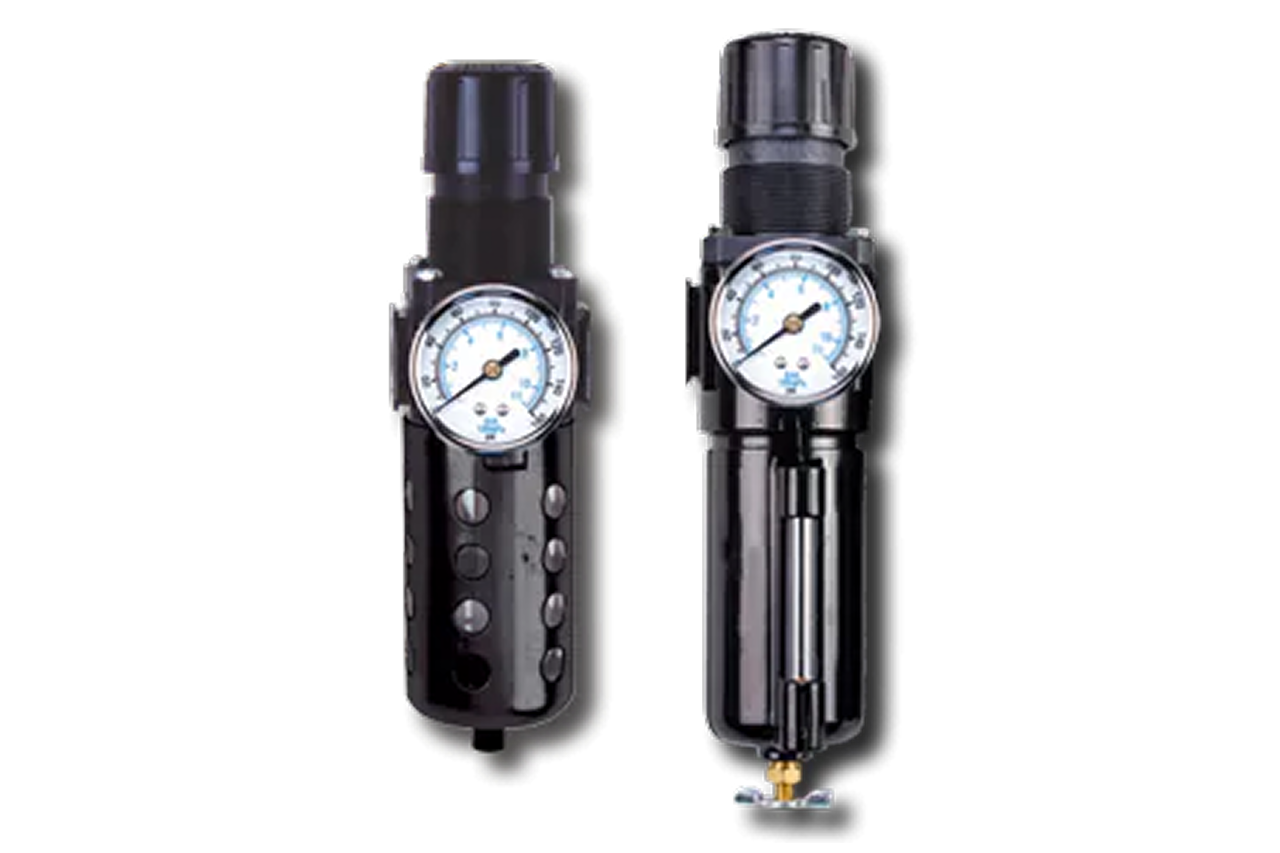
Tips and pointers on when the F+R is the right call — and when to step up or down. Scroll the strip →
Anything 2010+ runs non-lubricated on PTFE, lip-seal compounds, and sintered bronze. The F+R is the correct build — clean the air, set the pressure, skip the oil that downstream equipment doesn't want.
Same F+R function, two builds: a single-body piggyback casting (most compact, lowest cost) or a two-piece modular filter + regulator clipped on one rail (each stage sized and serviced on its own). Either way you skip the lubricator and its maintenance versus a full F+R+L.
Food contact, pharma, semiconductor, paint booths, CNC air-bearing spindles — all require no metered oil. The F+R isn't just acceptable on these lines, it's the only correct build.
Paint guns, lab, instrumentation need a precision regulator (±1 PSI), not standard. Pair with a coalescing element (0.01-micron) — pressure stability plus zero oil carryover both gate finish quality and sensor accuracy.
Old impact tools, jackhammers, oiled vane motors, heavy-press cylinders on legacy seals — nameplate calls for lubricated air. → Quote a full FRL combination unit; the F+R will starve those internals.
A standard 5-micron F+R catches particulate and water but does NOT remove oil aerosol. → Add an upstream coalescing filter, or swap the F+R element to a coalescing grade where the brand offers it.
PAO synthetic carryover cracks polycarbonate — especially common when an F+R replaces an old lubricated FRL and the synthetic finally has a transparent target. → Spec metal or stainless bowl and audit the compressor lubricant first.
From the machine spec sheet to the part number. Answer what you know, leave the rest blank, and send.
Pick the priority; the quote desk handles the cross-reference.
The F+R is the answer when the equipment is modern. If the spec sheet says non-lubricated, selling a full FRL is selling the customer their next maintenance bill.
Each industry below uses this product across the listed areas. Open an industry to see how it fits the rest of its system.
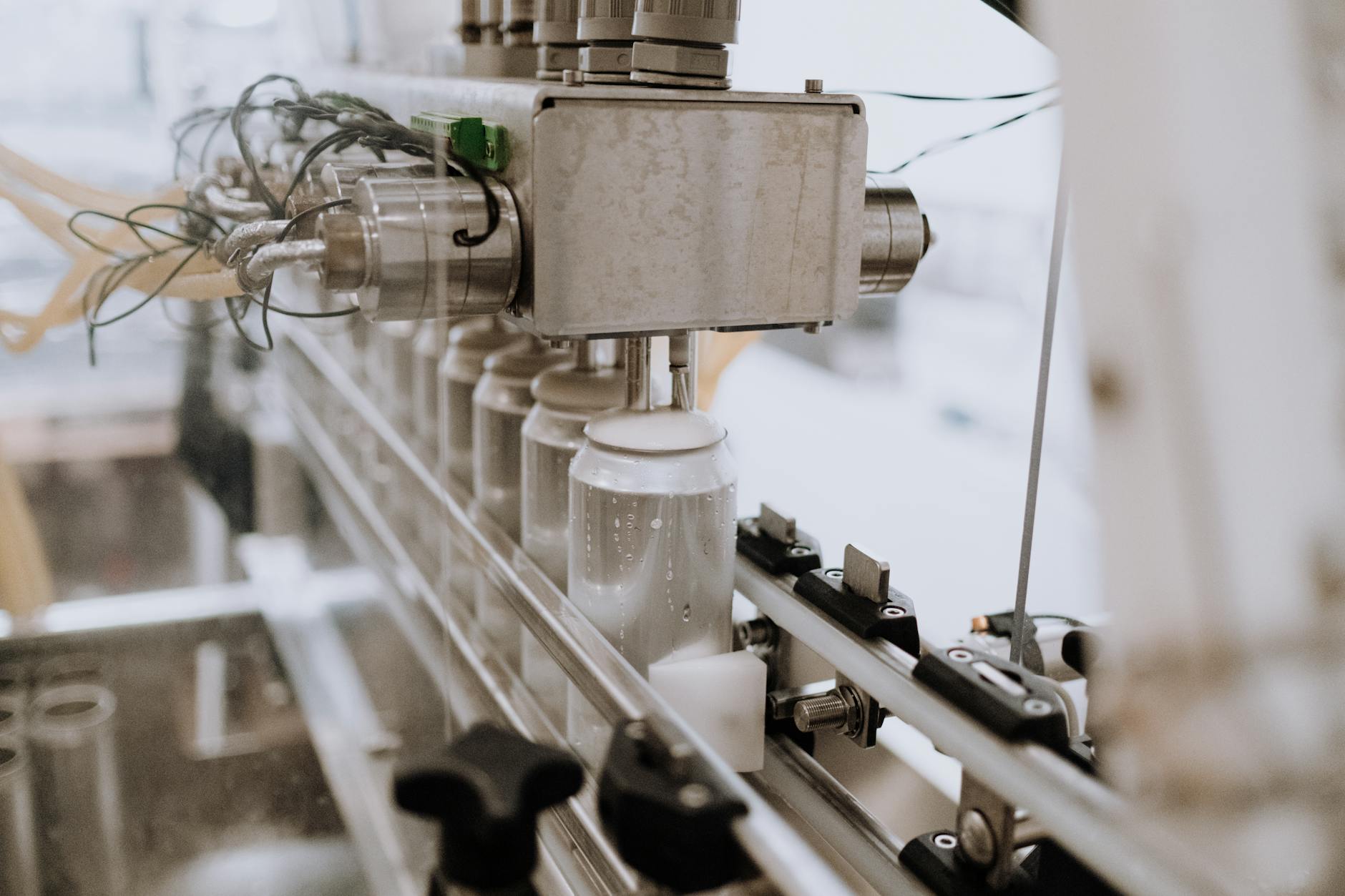 Food & Beverage Processing →
  Pharmaceutical, Medical Device & Laboratory →
 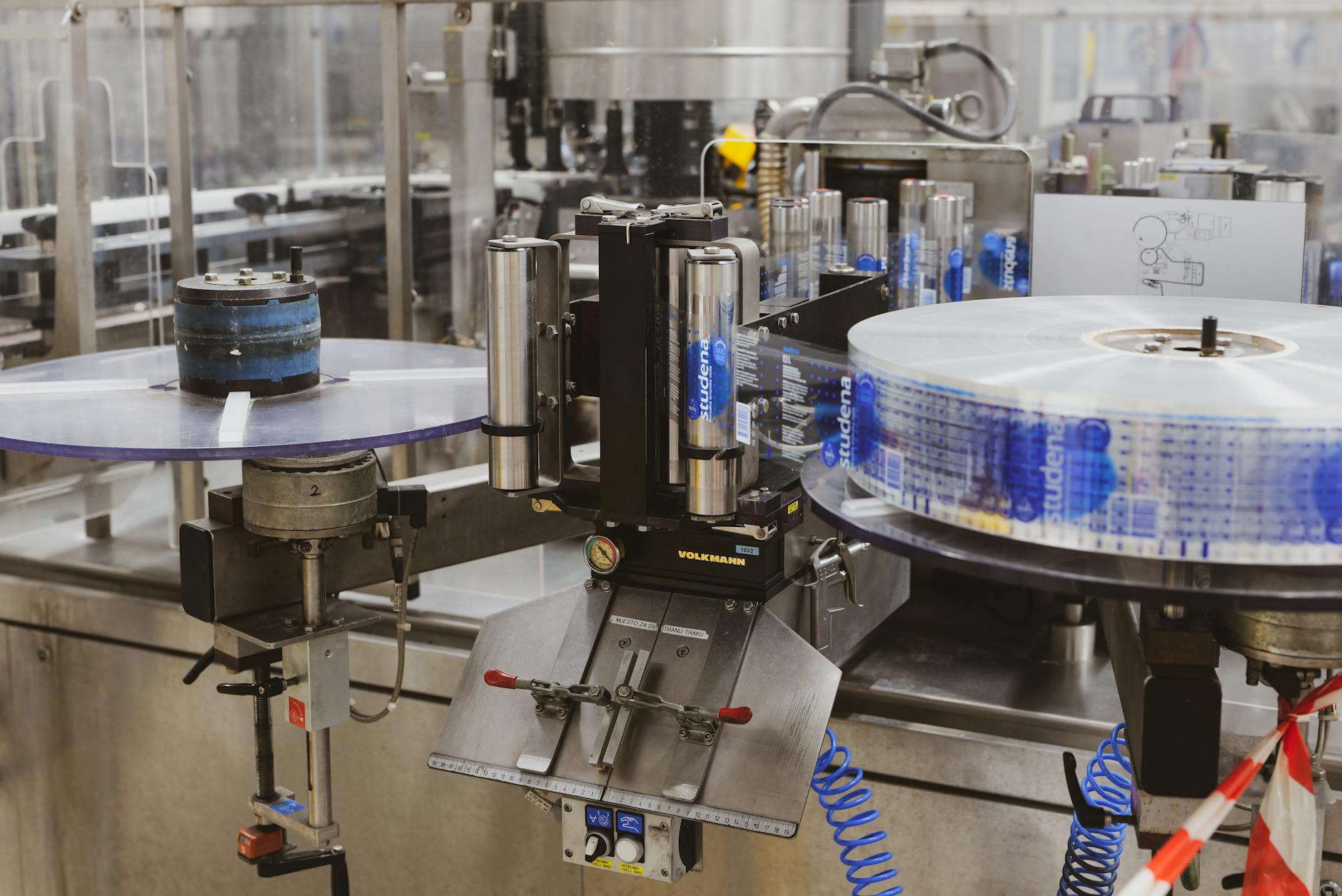 Packaging & Printing →
 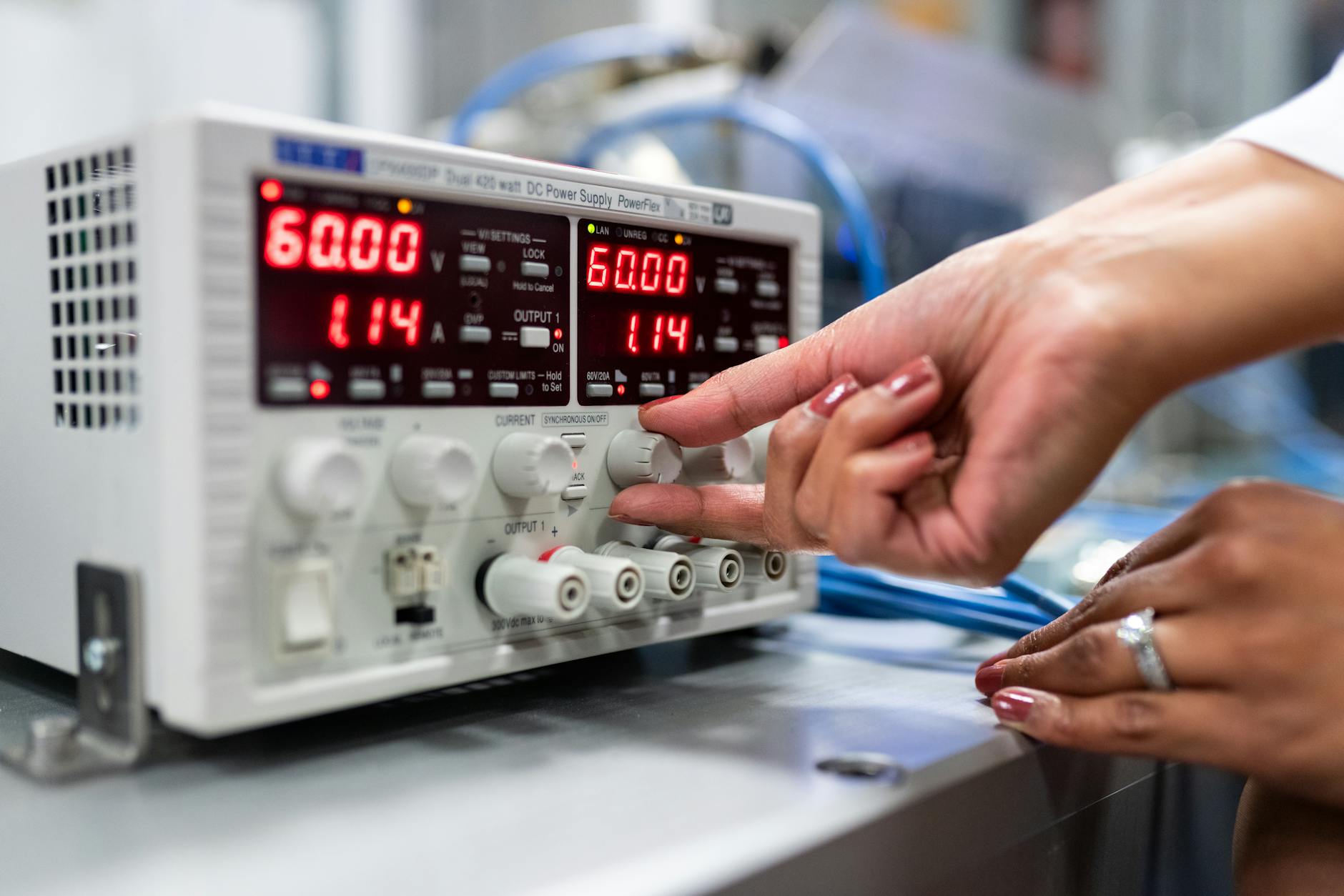 Electronics & Semiconductor →
 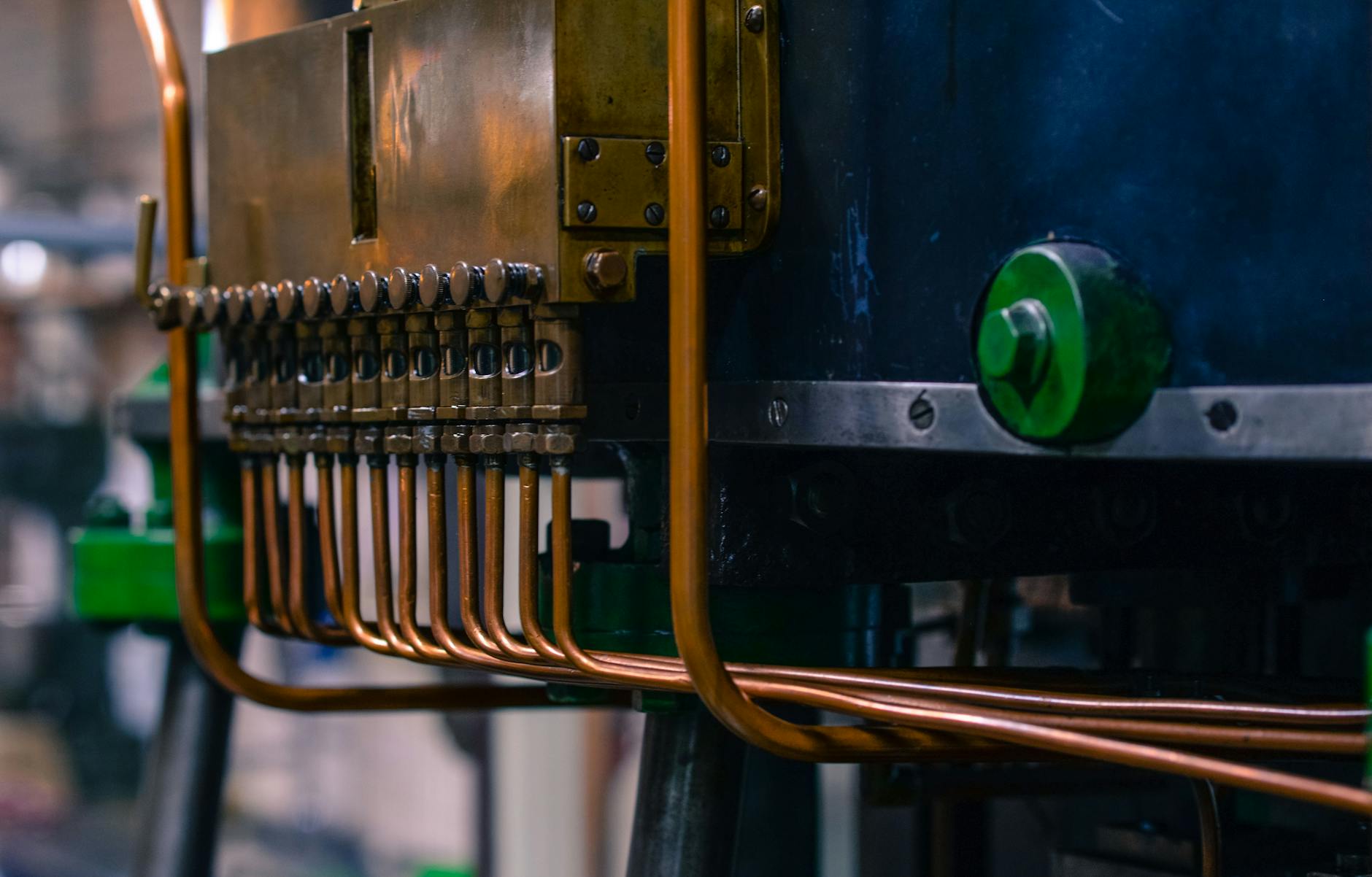 Metalworking & Fabrication →
 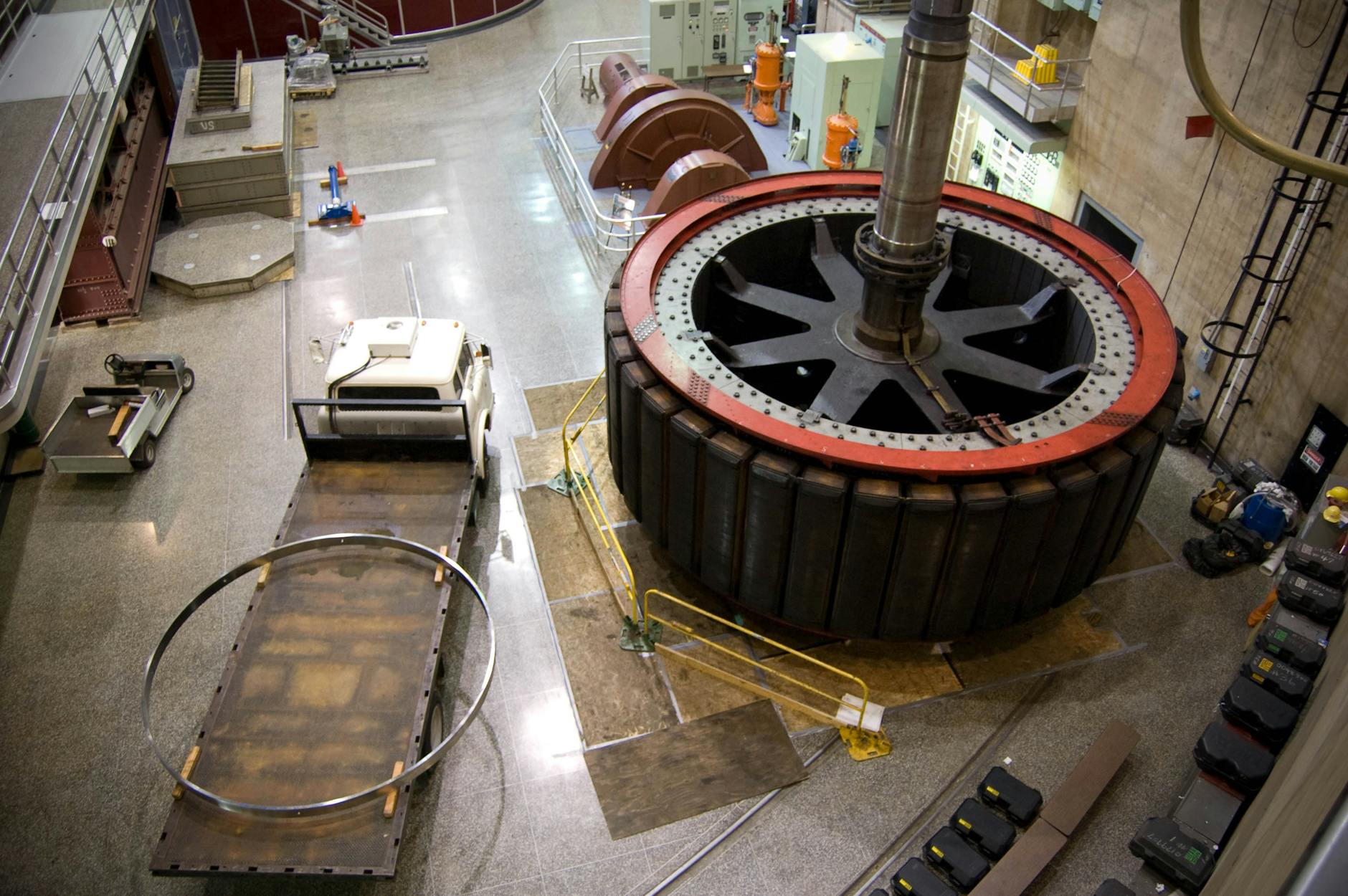 General Manufacturing →
 Also applies to Robotics & assembly cells · Paint and finishing equipment (modern non-lubed guns)
Every entry is a real product on this site — linked, not just named. Quote them on the same line item.
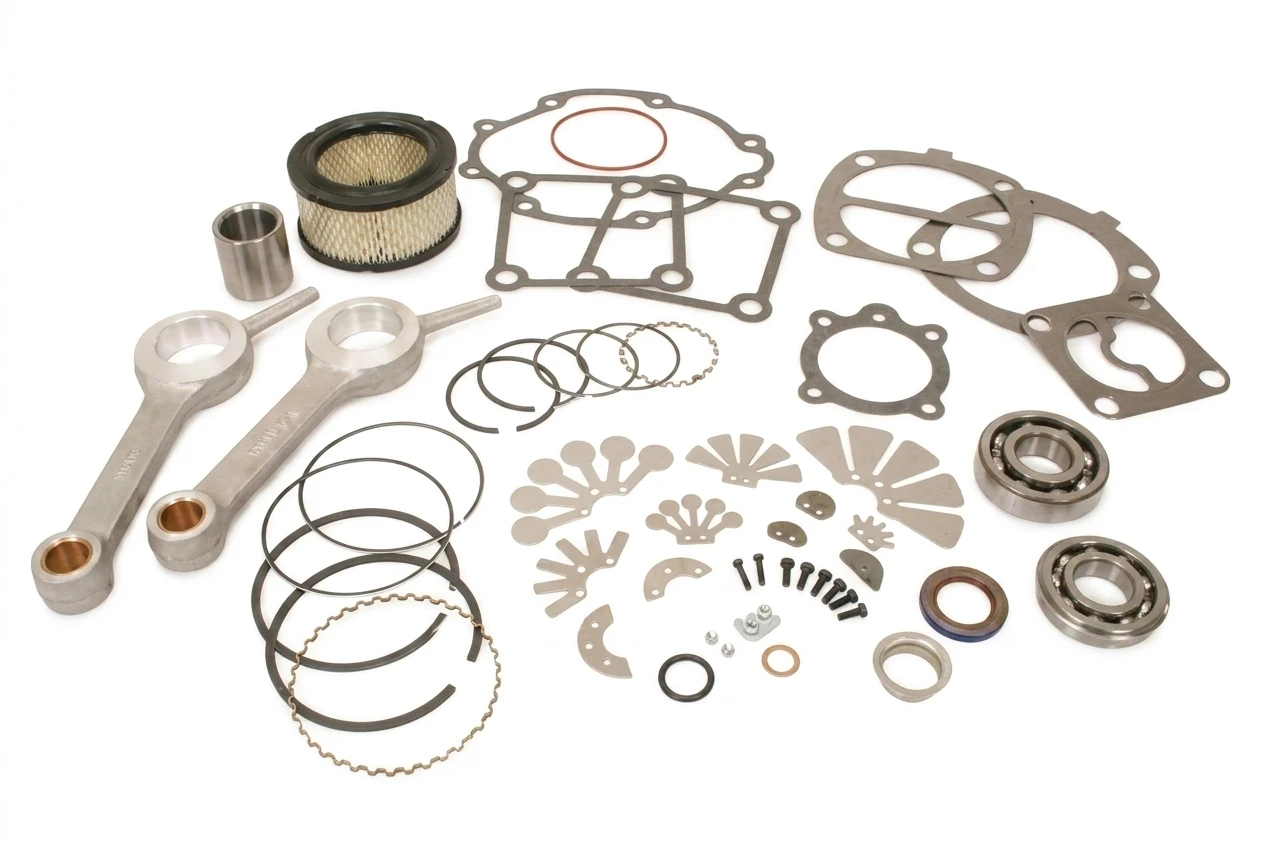
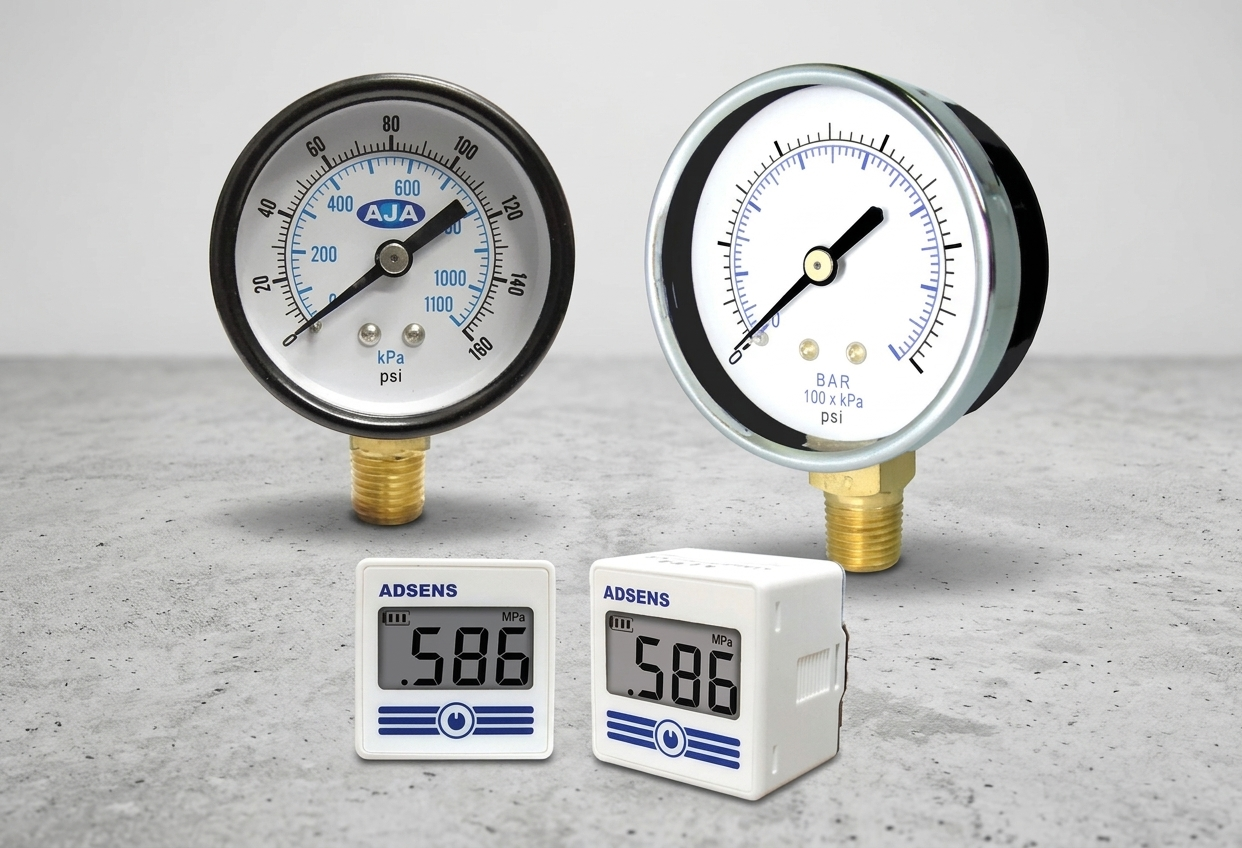
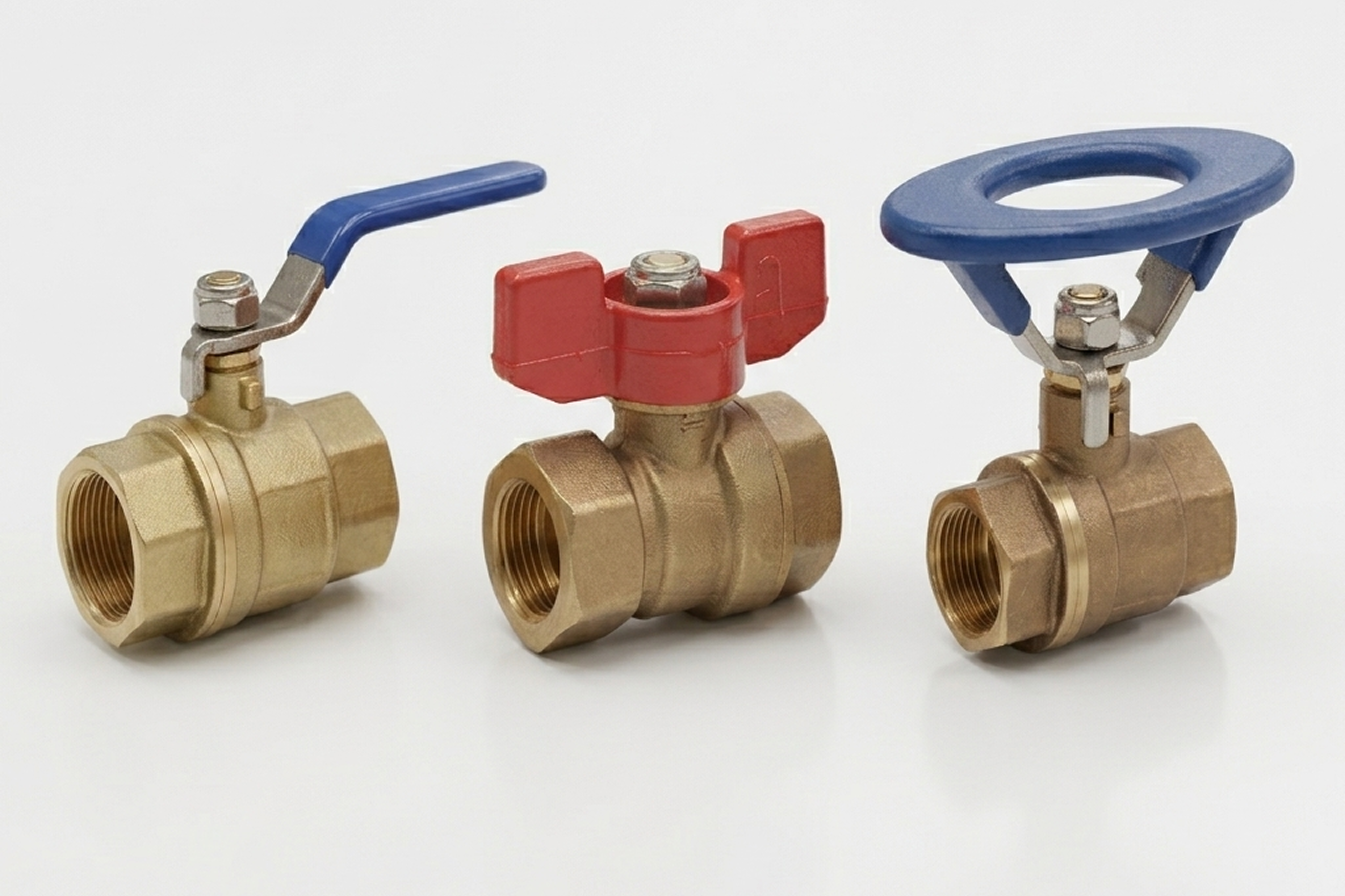
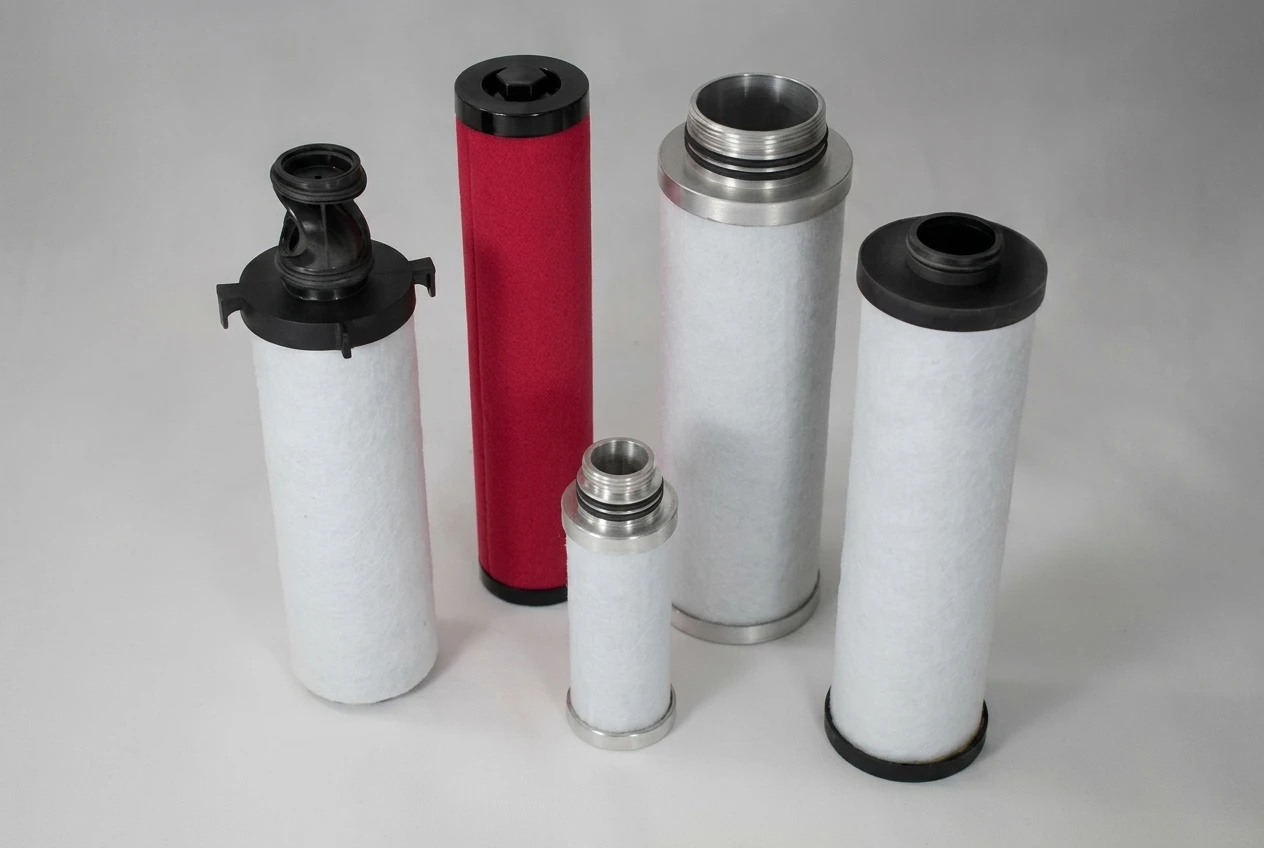
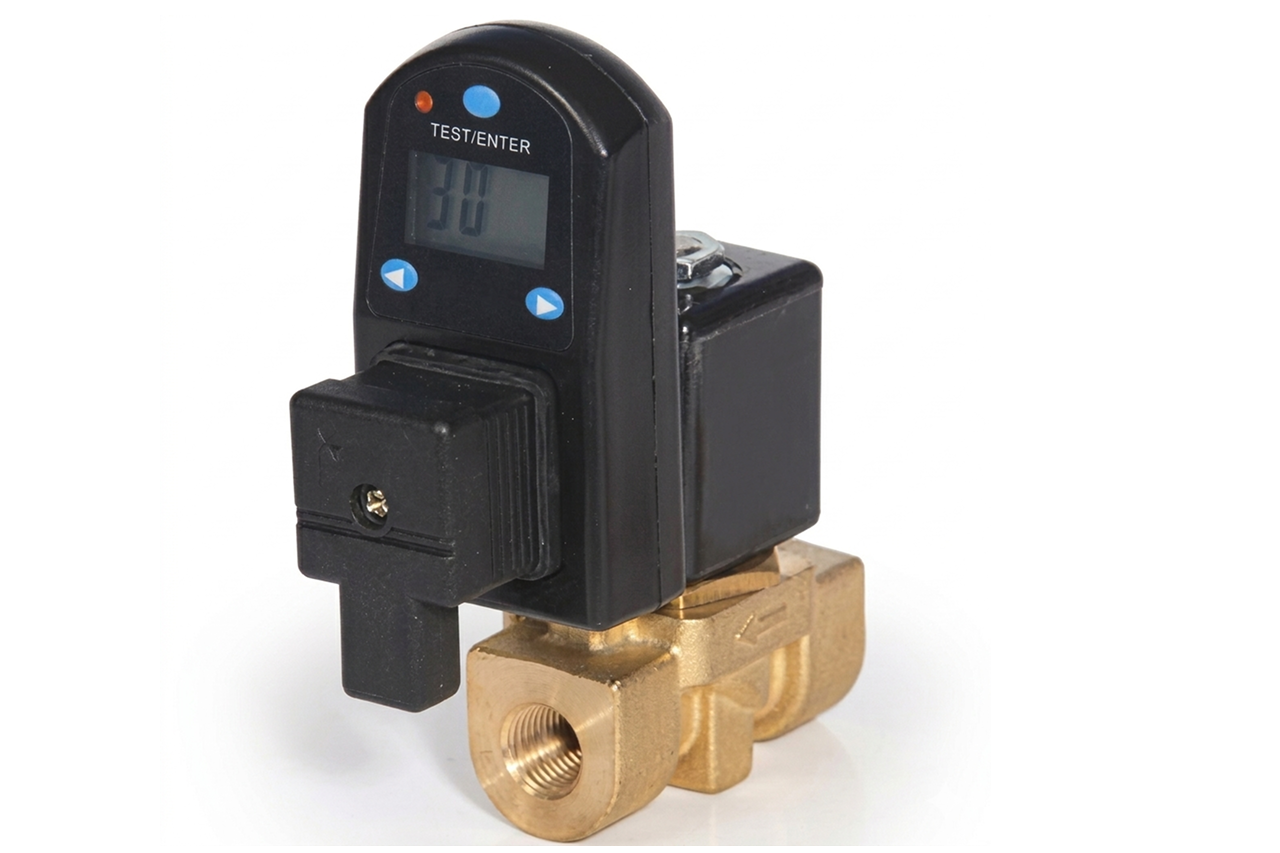
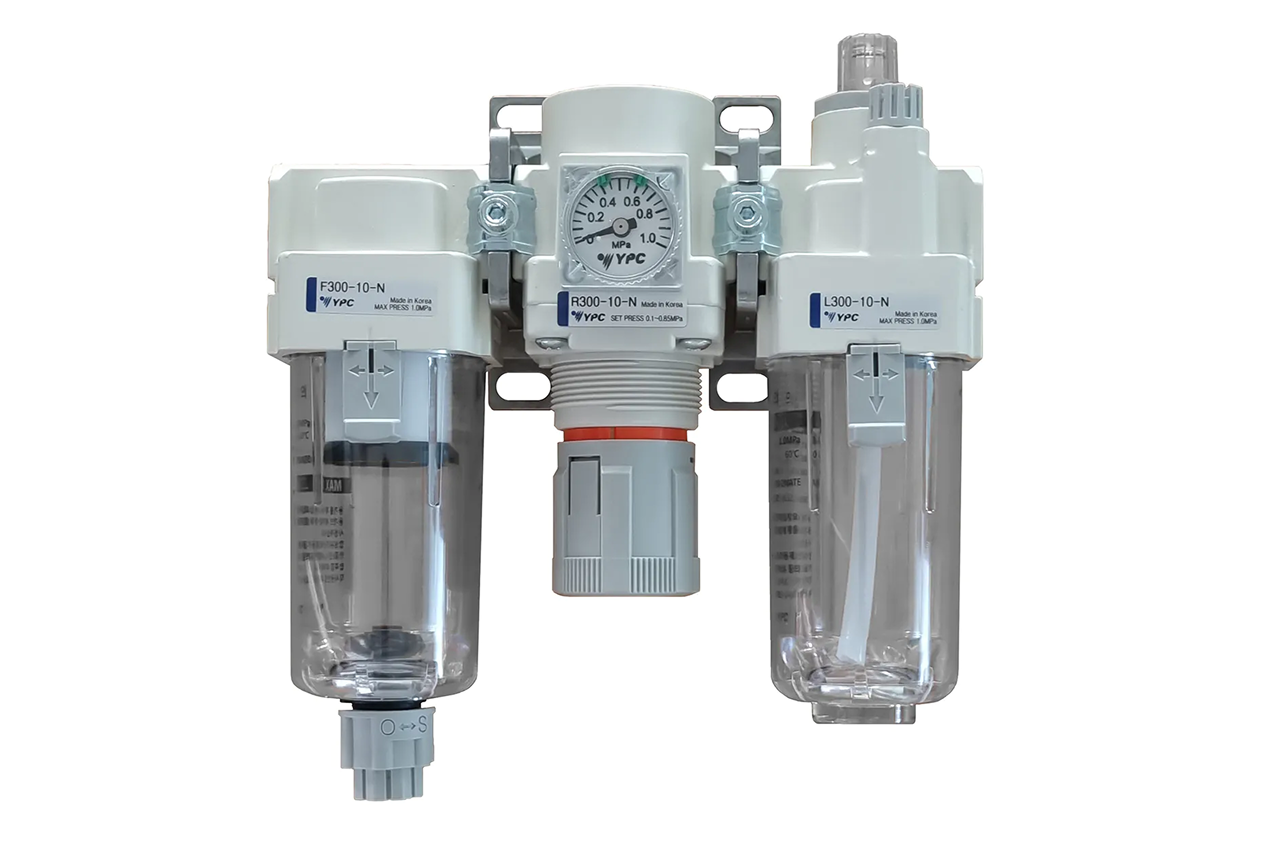
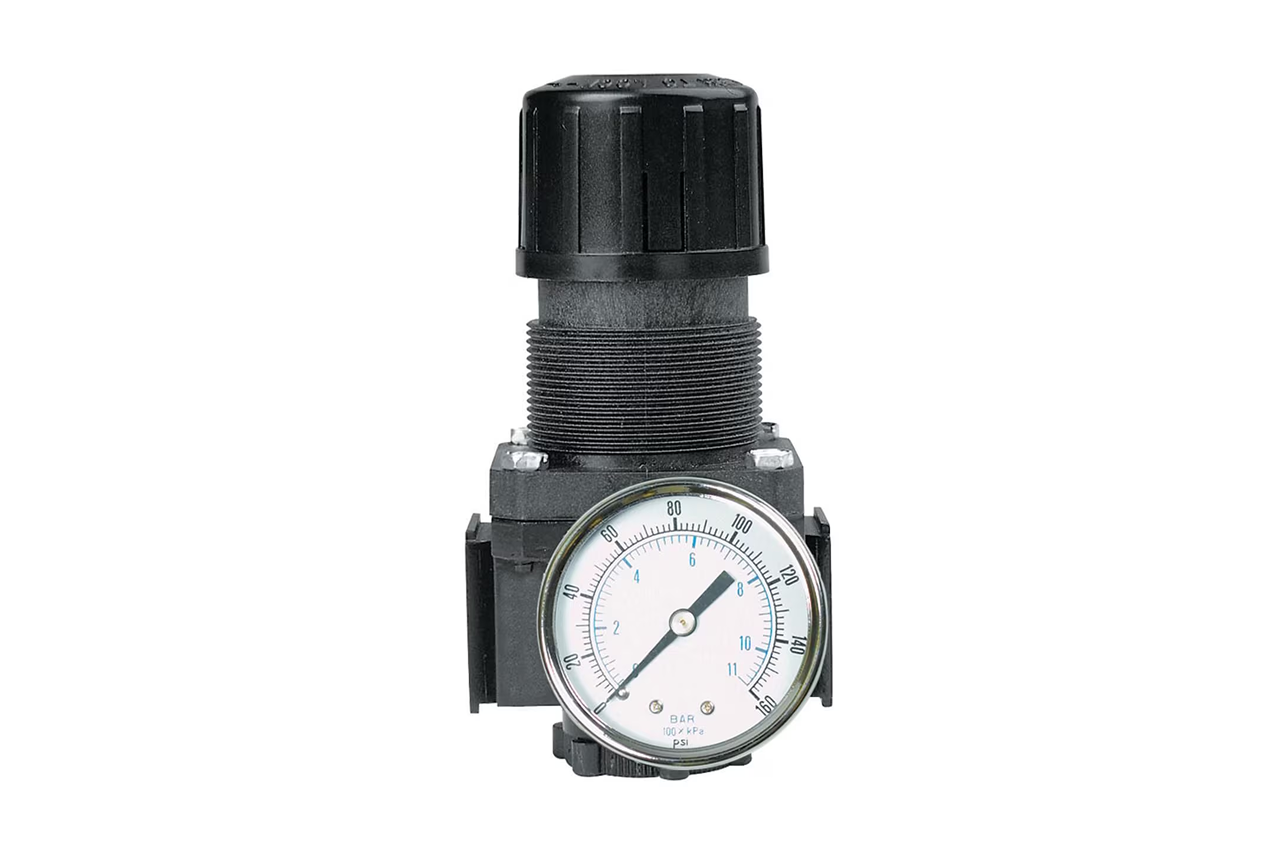
Stock the F+R + service kit + replacement gauge bundle on standing PO for fleet customers running modern non-lubricated equipment — case packers, cartoners, and robot cells all consume identical F+R configurations and reward consolidated re-orders.
Send us the application — a specialist routes you to the correct tier with a configured part. Lead-times and pricing returned within one business day.
—. We reply within one business day with pricing, lead-time, and configured parts.